Fishing Lures
Fishing Lures for Every Species and Technique, Australia Wide
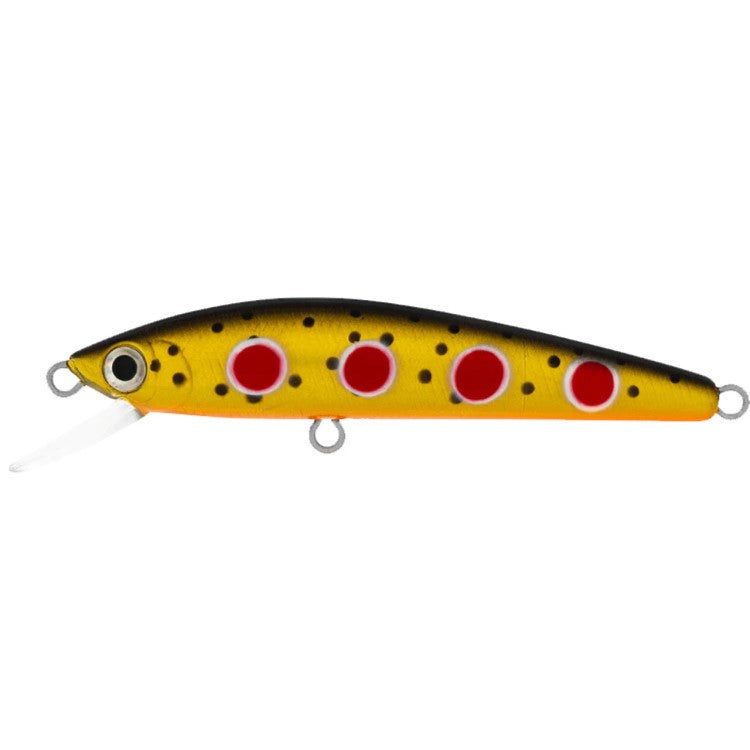
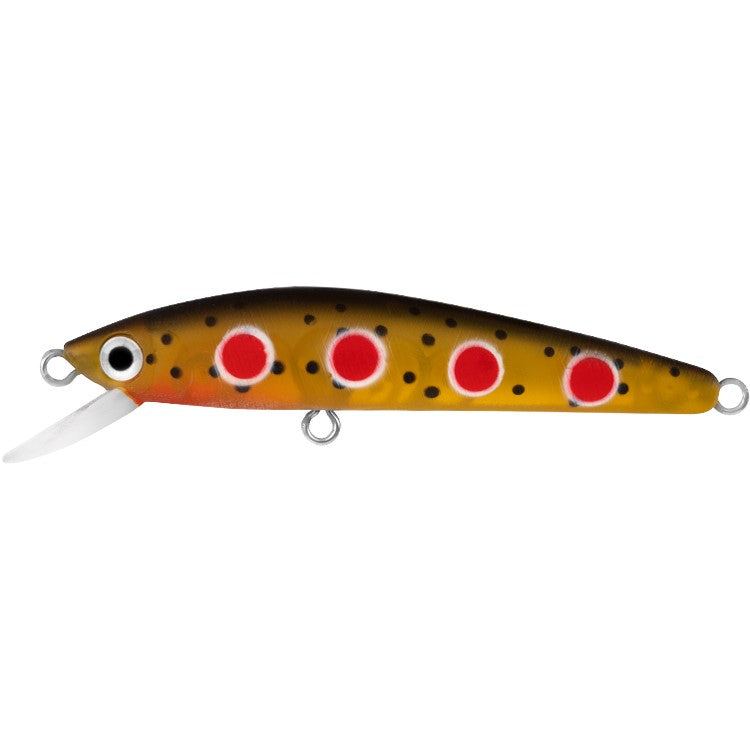
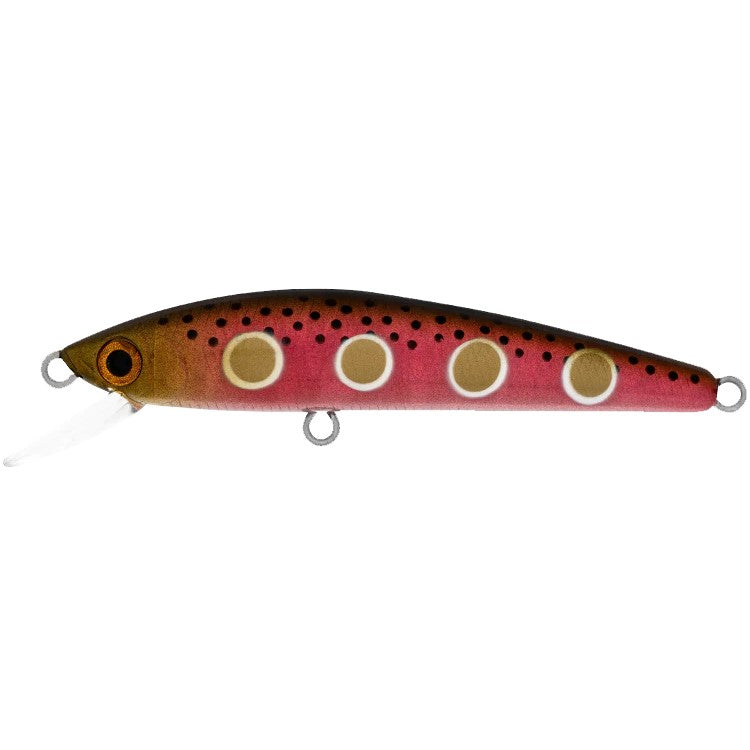
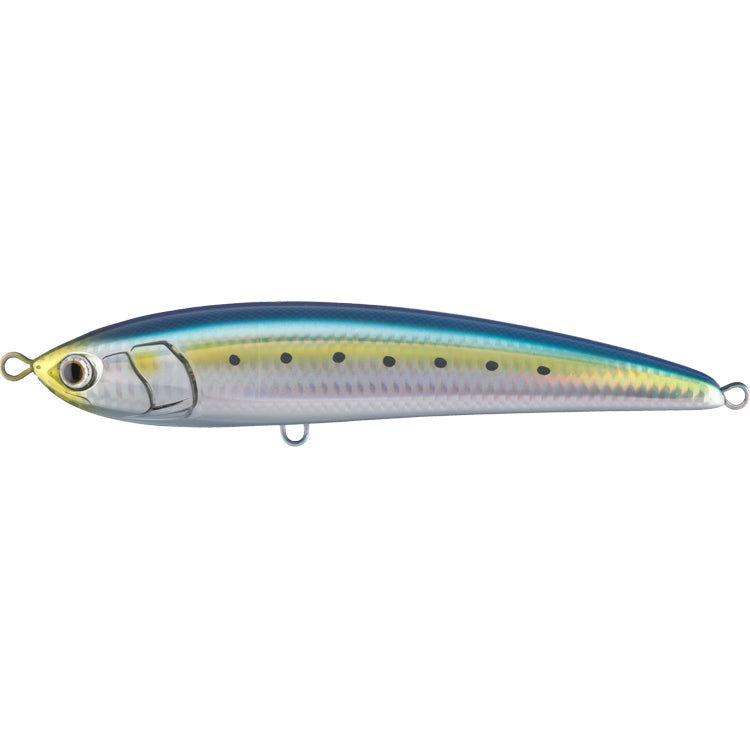
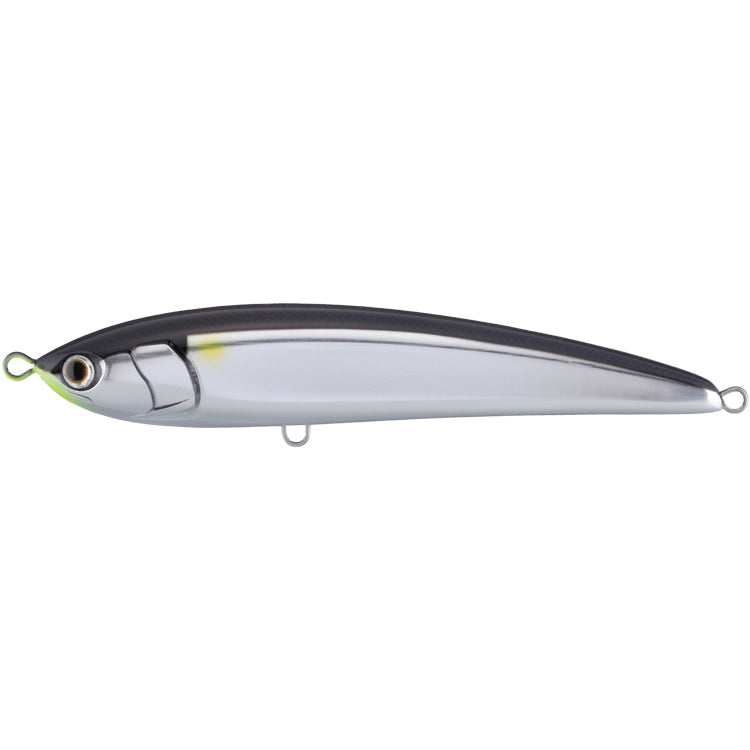
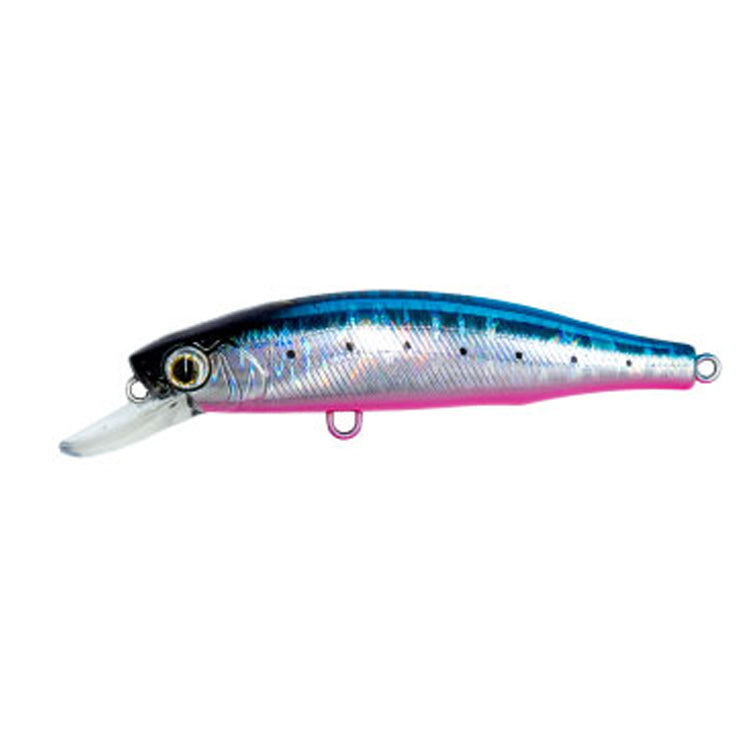
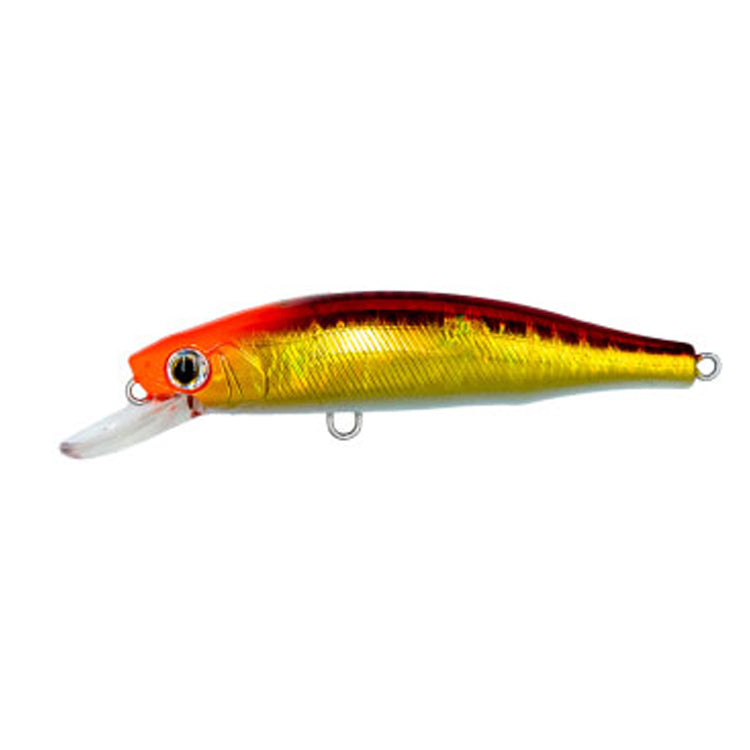
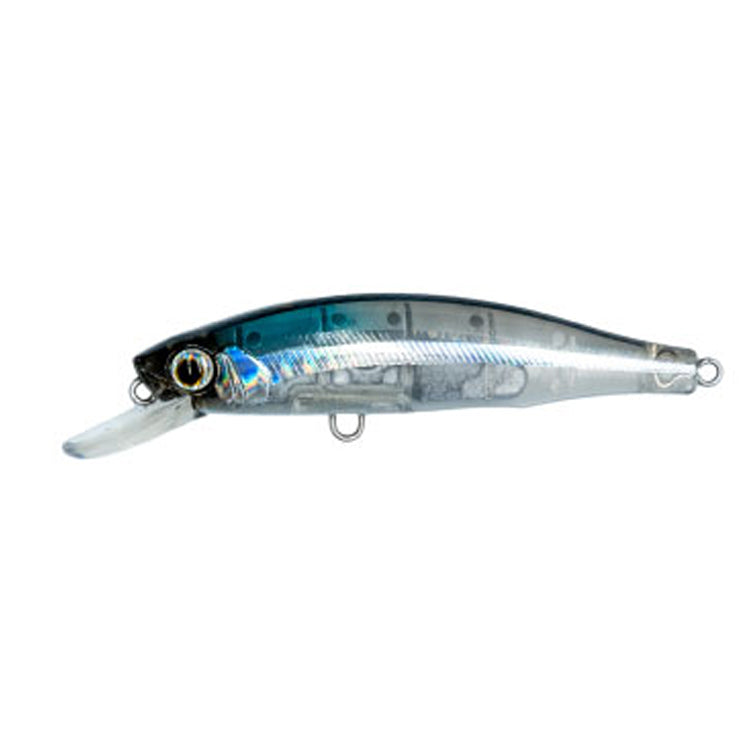
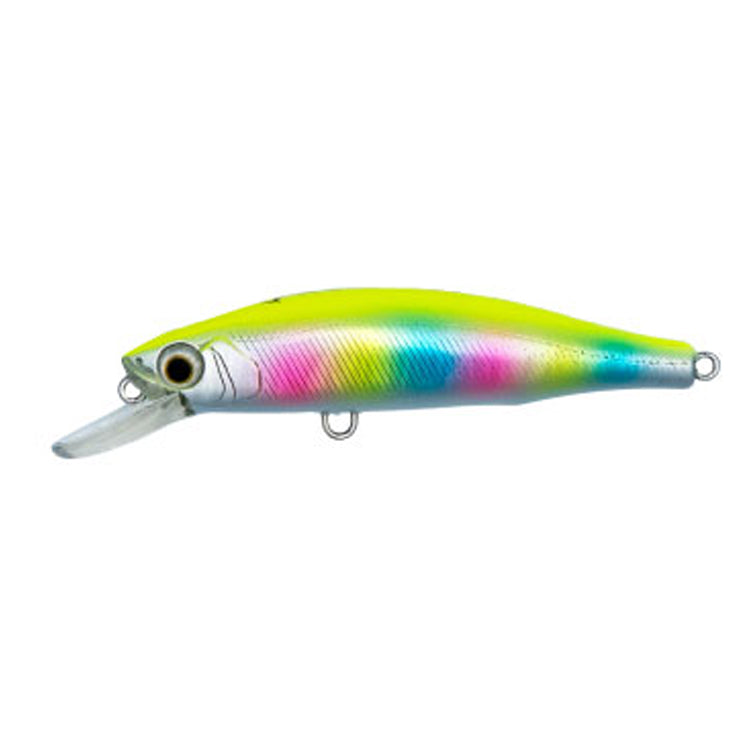
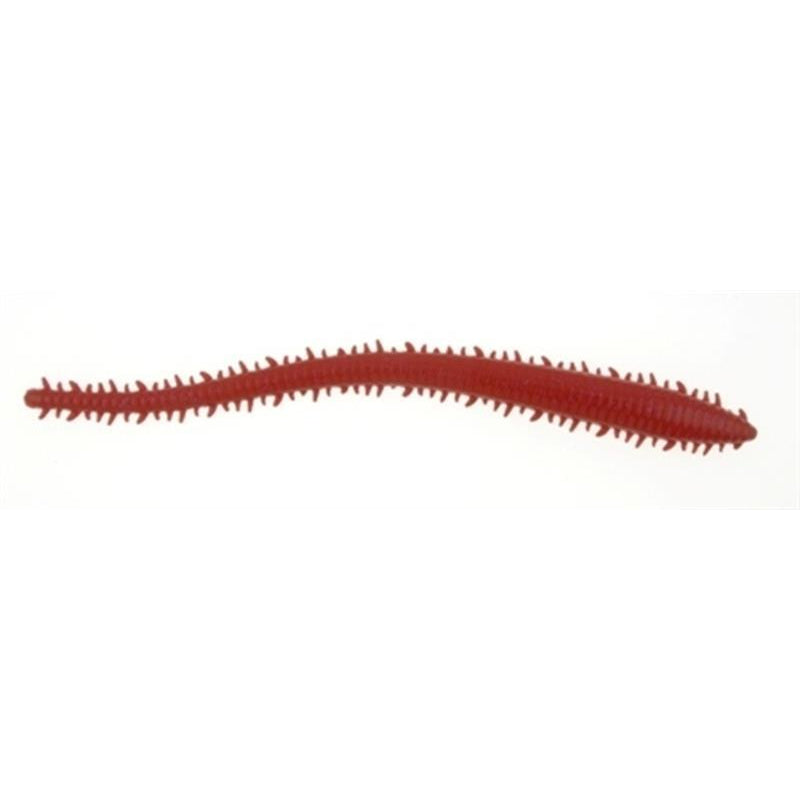
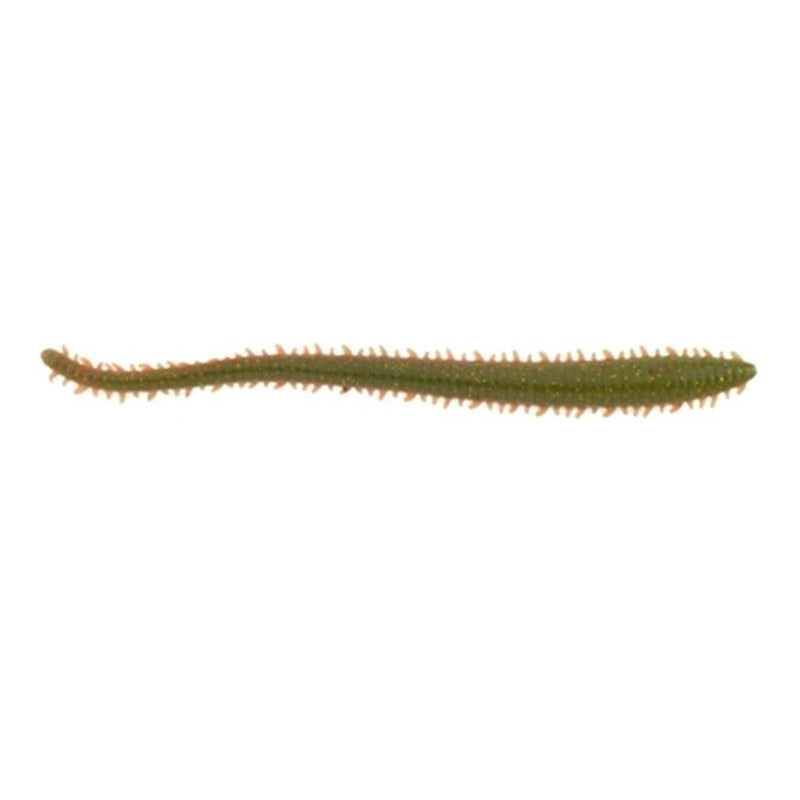
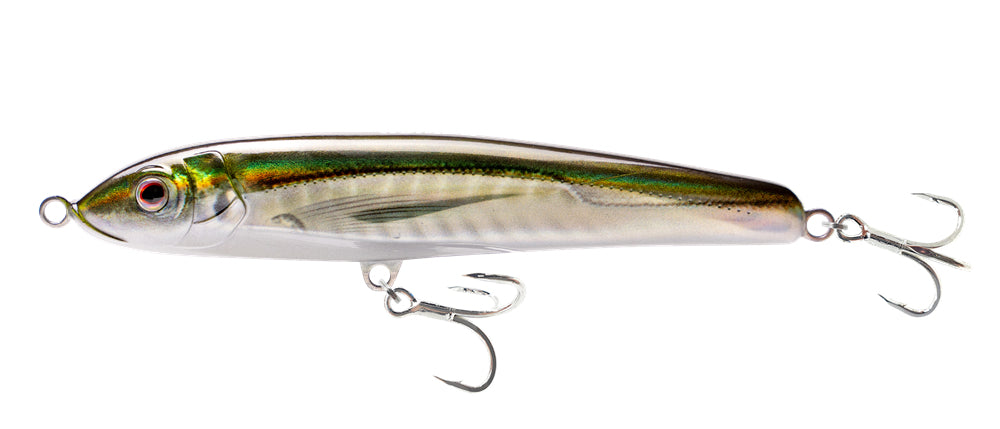
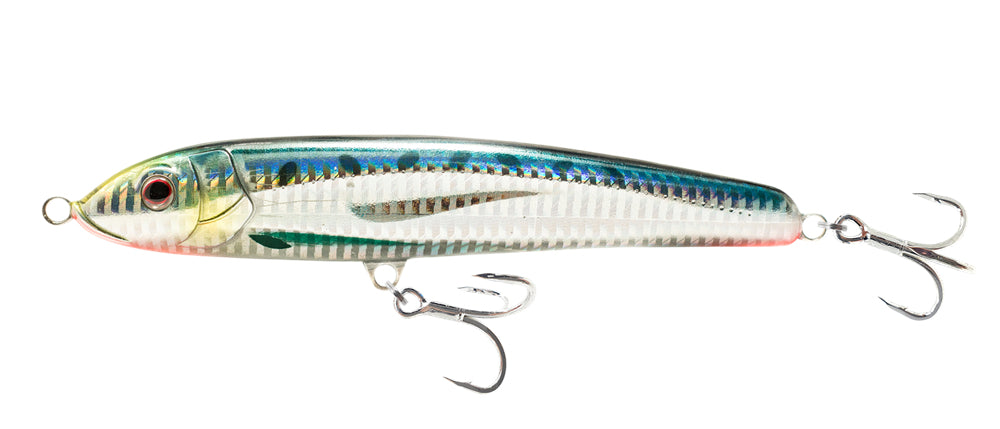
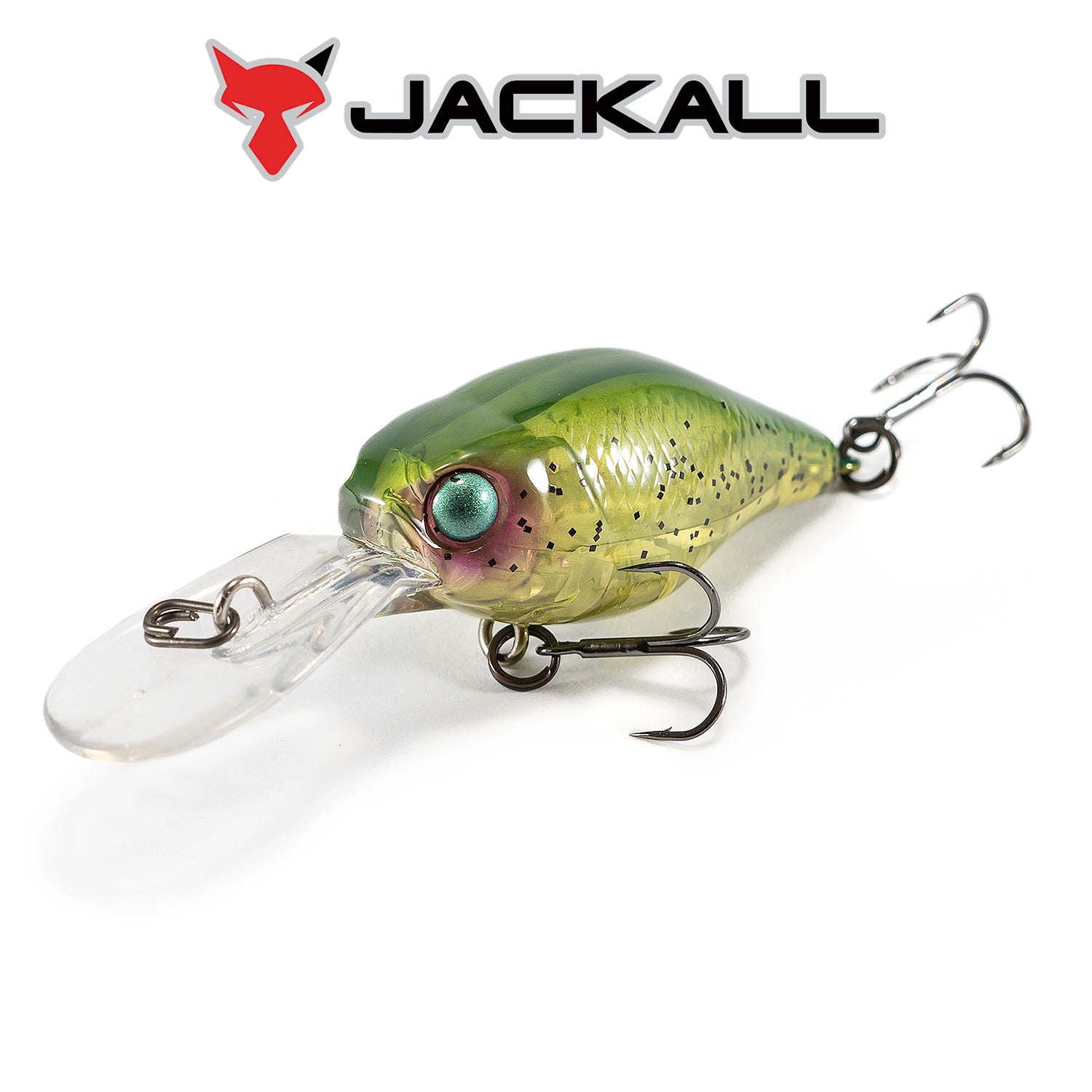
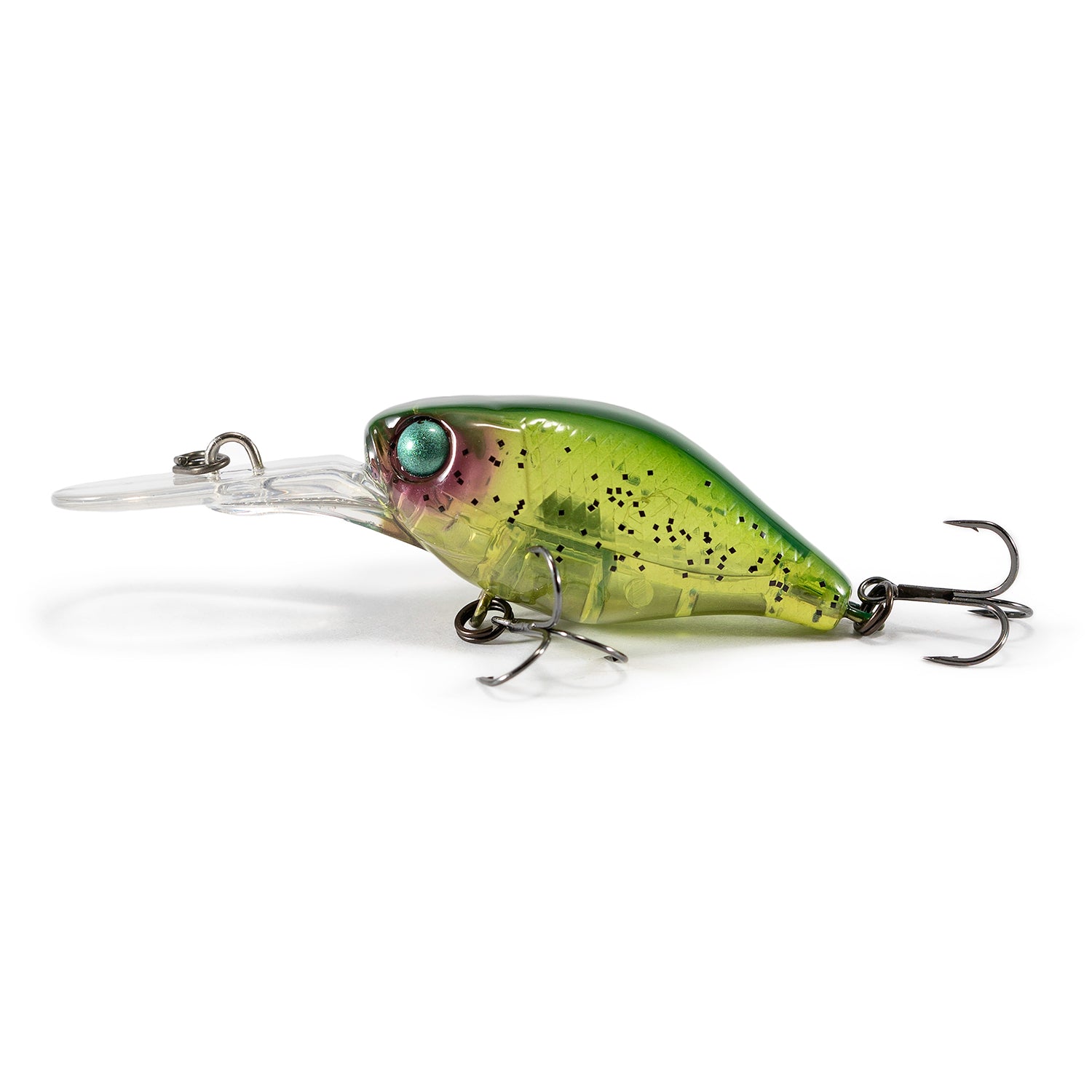
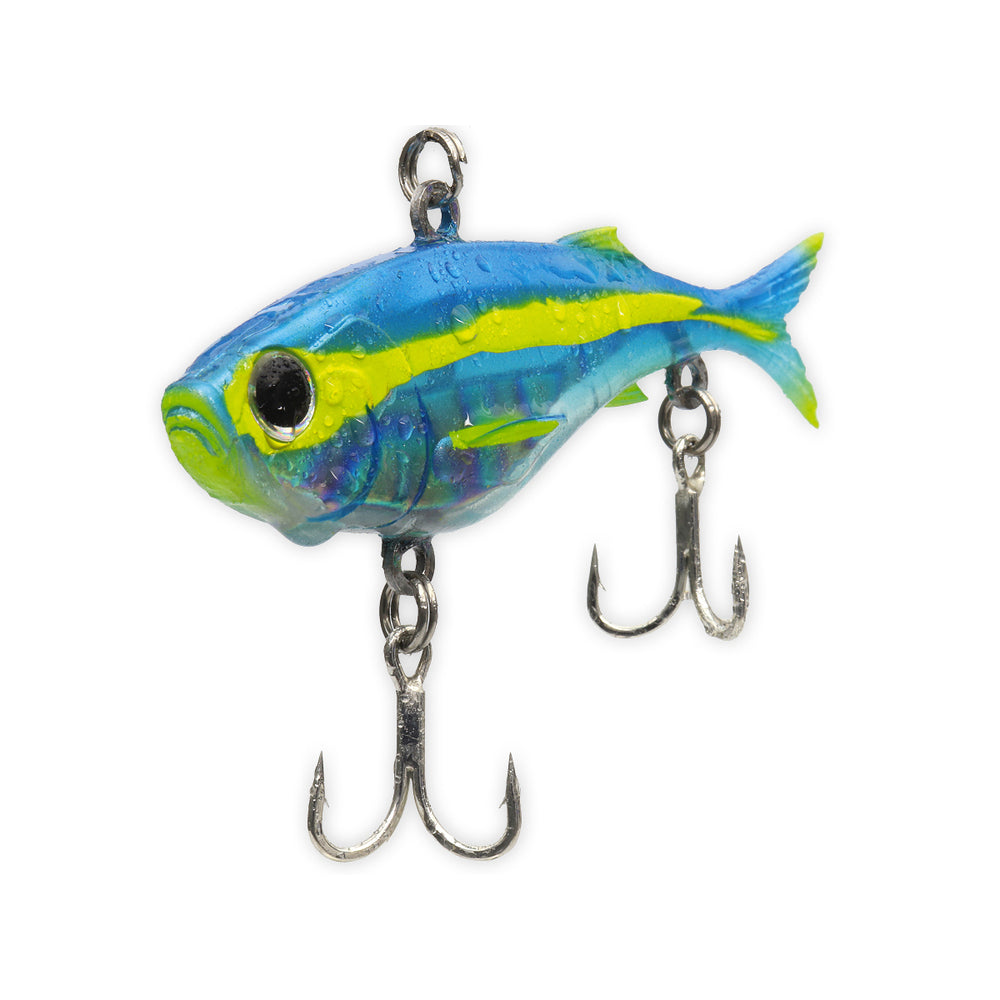
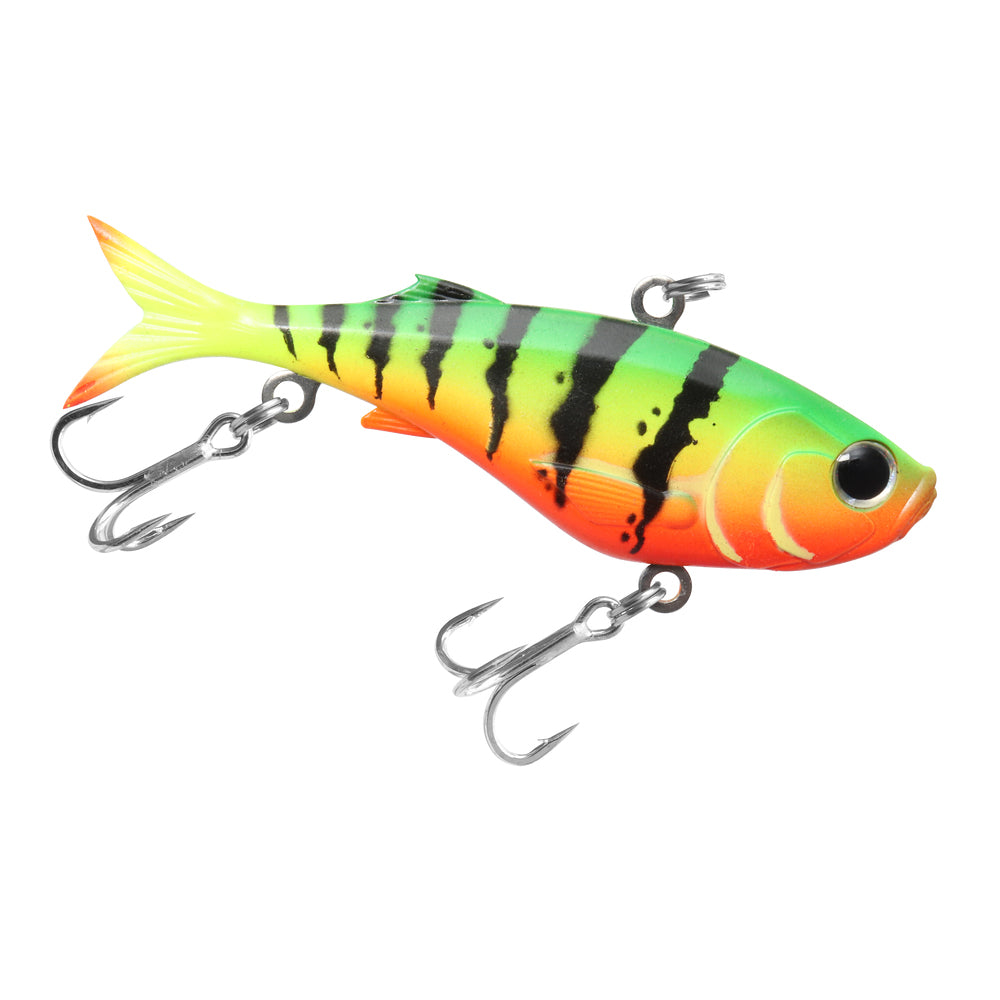
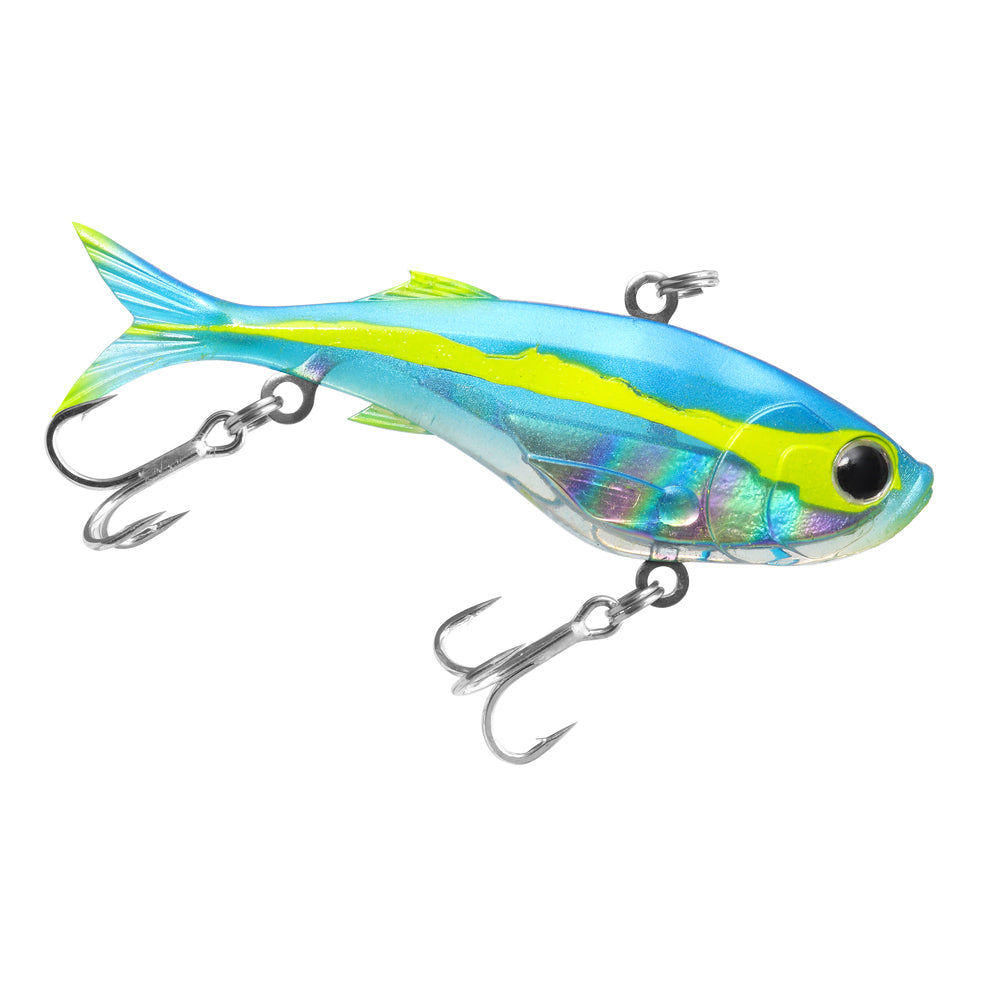
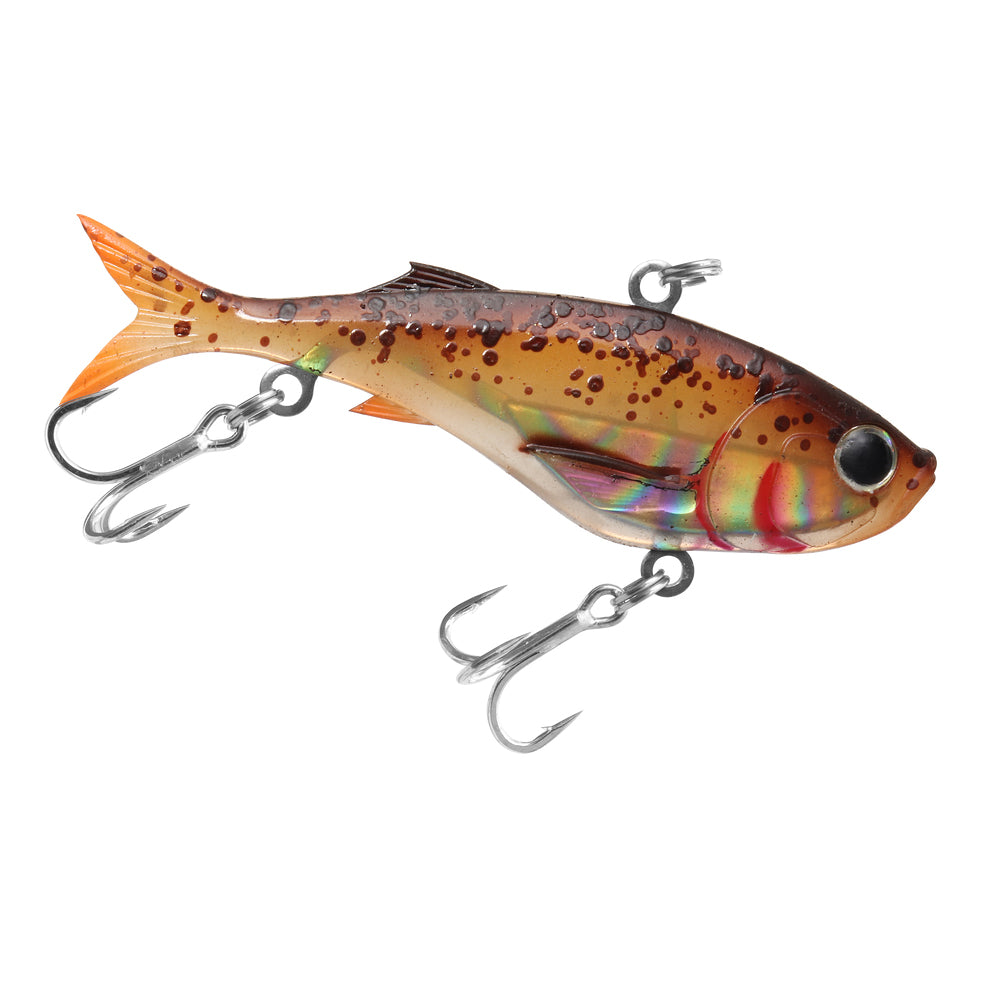
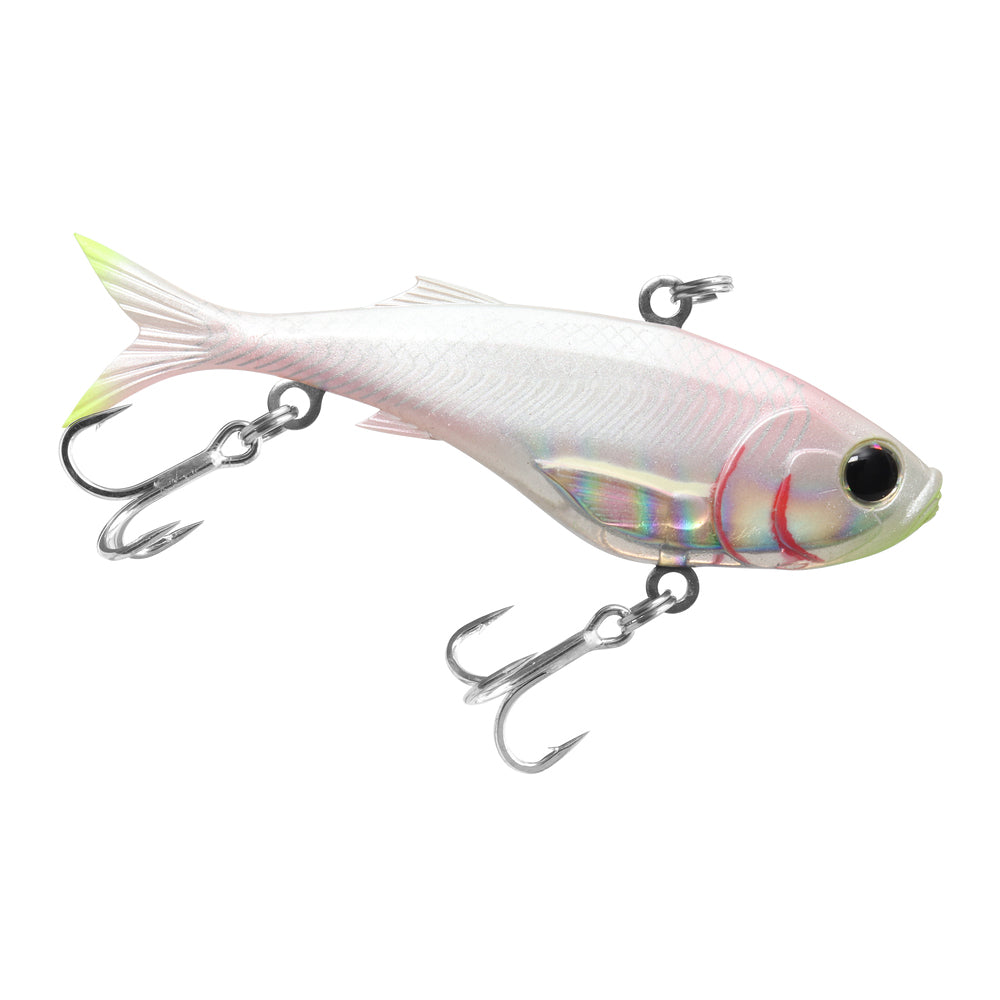
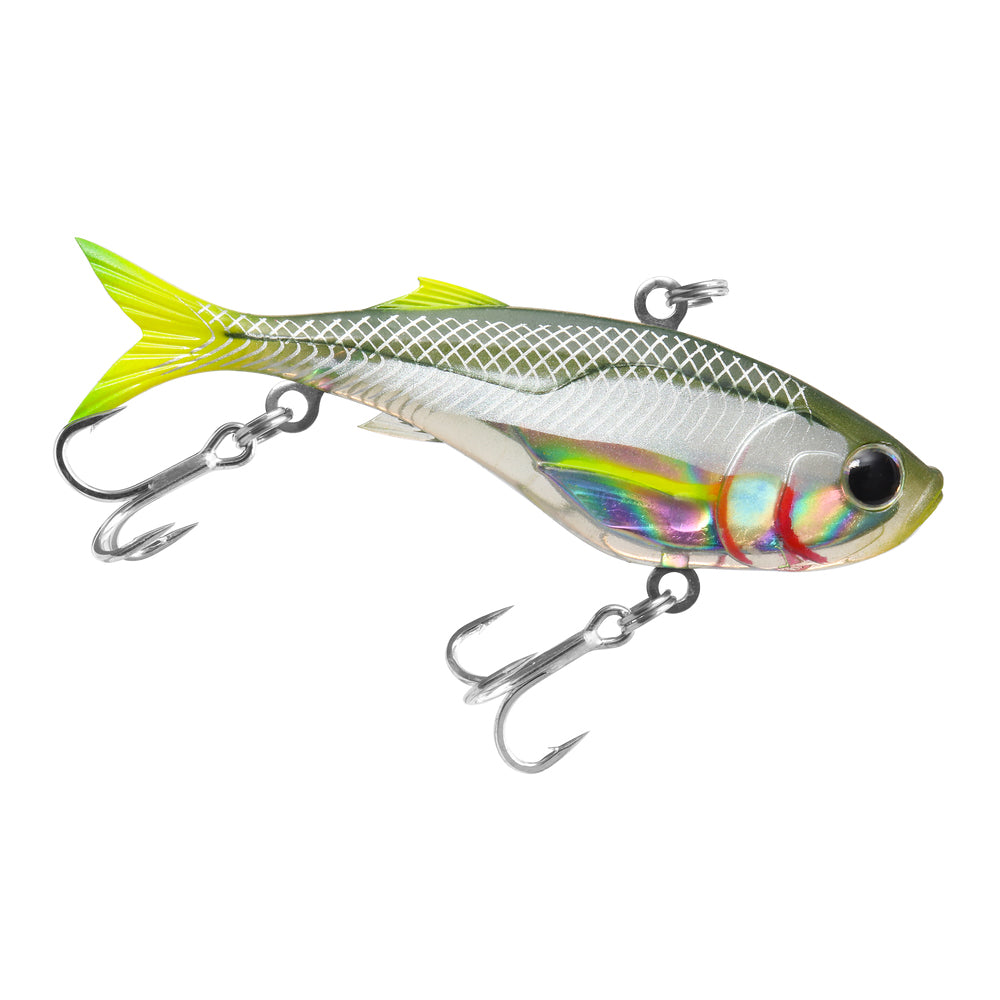
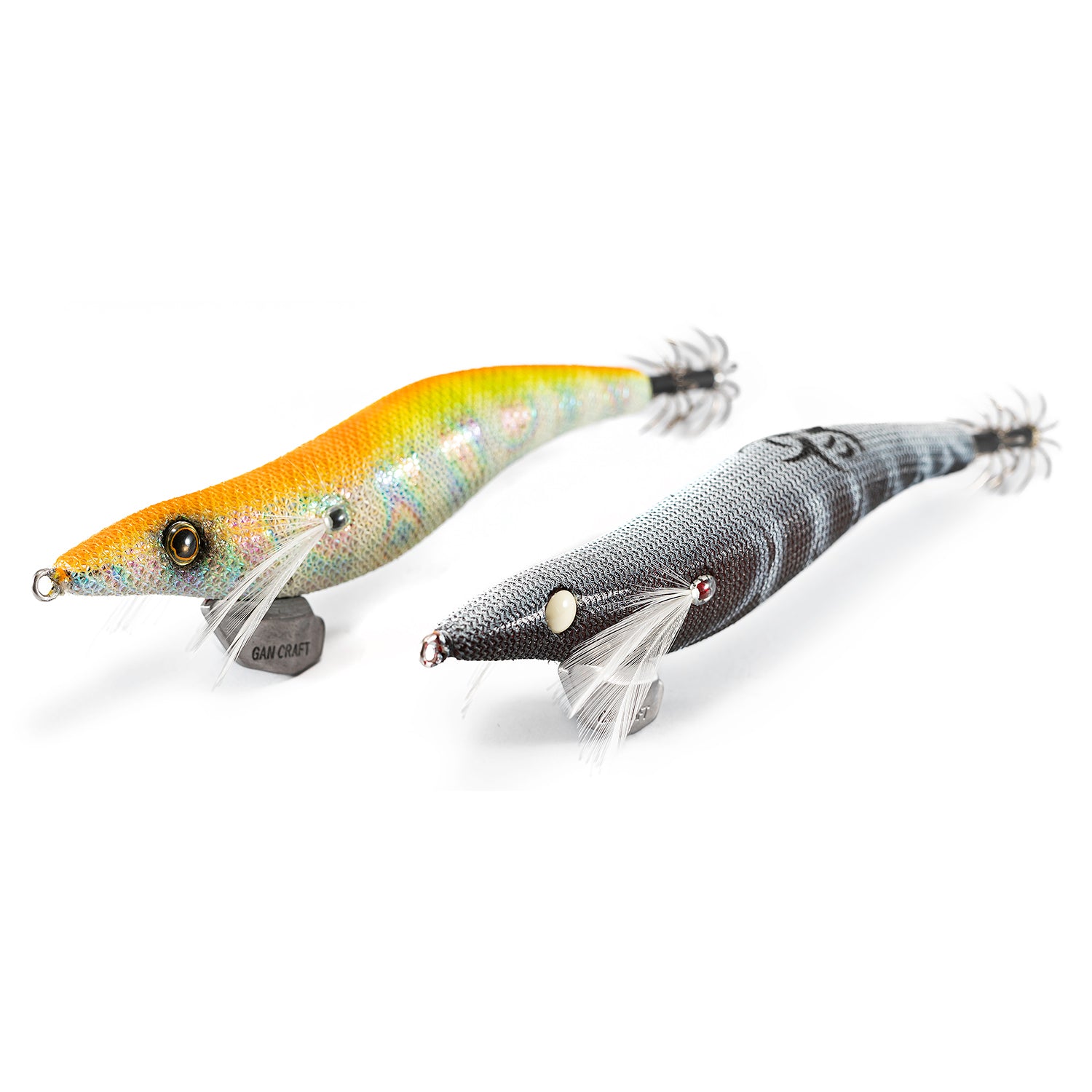
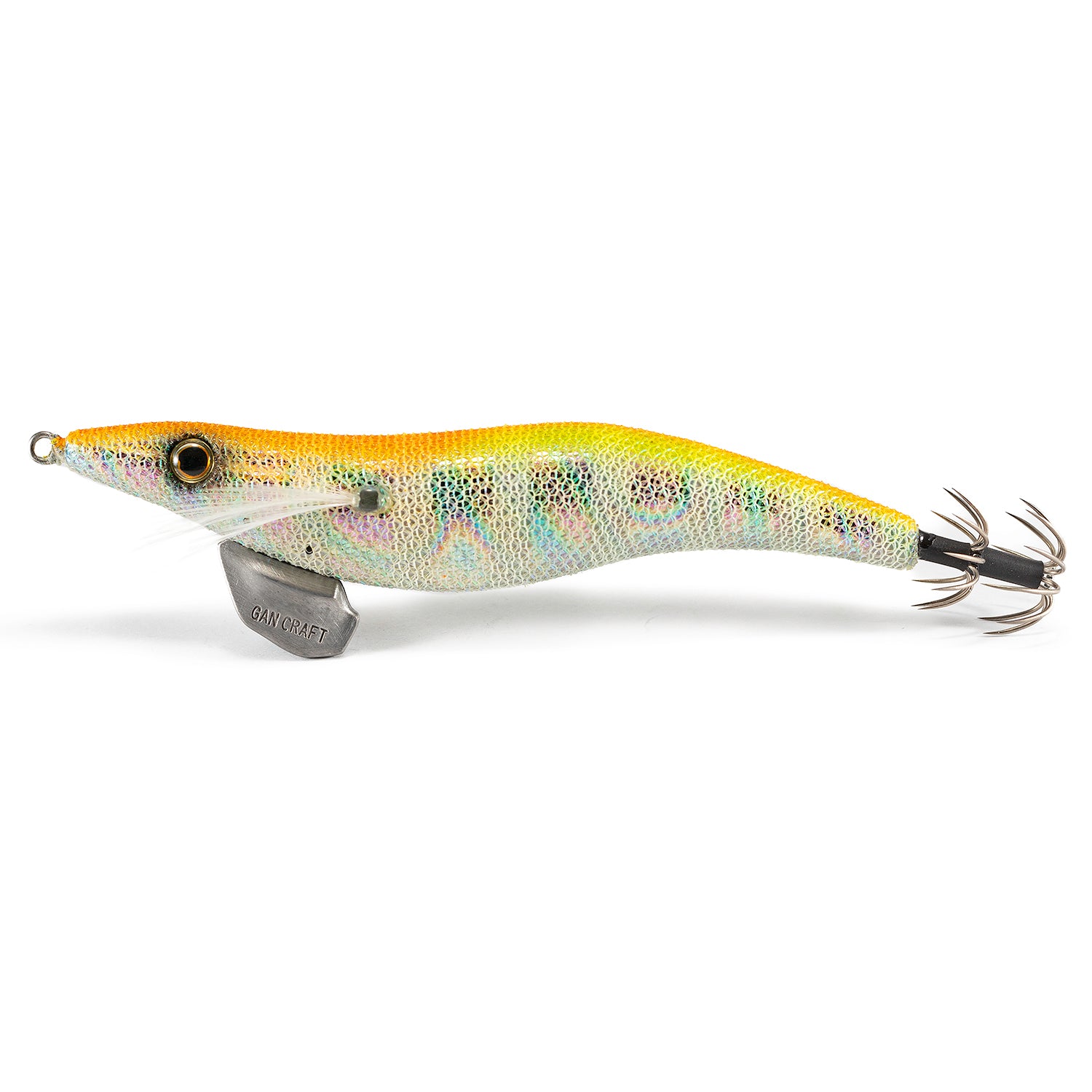
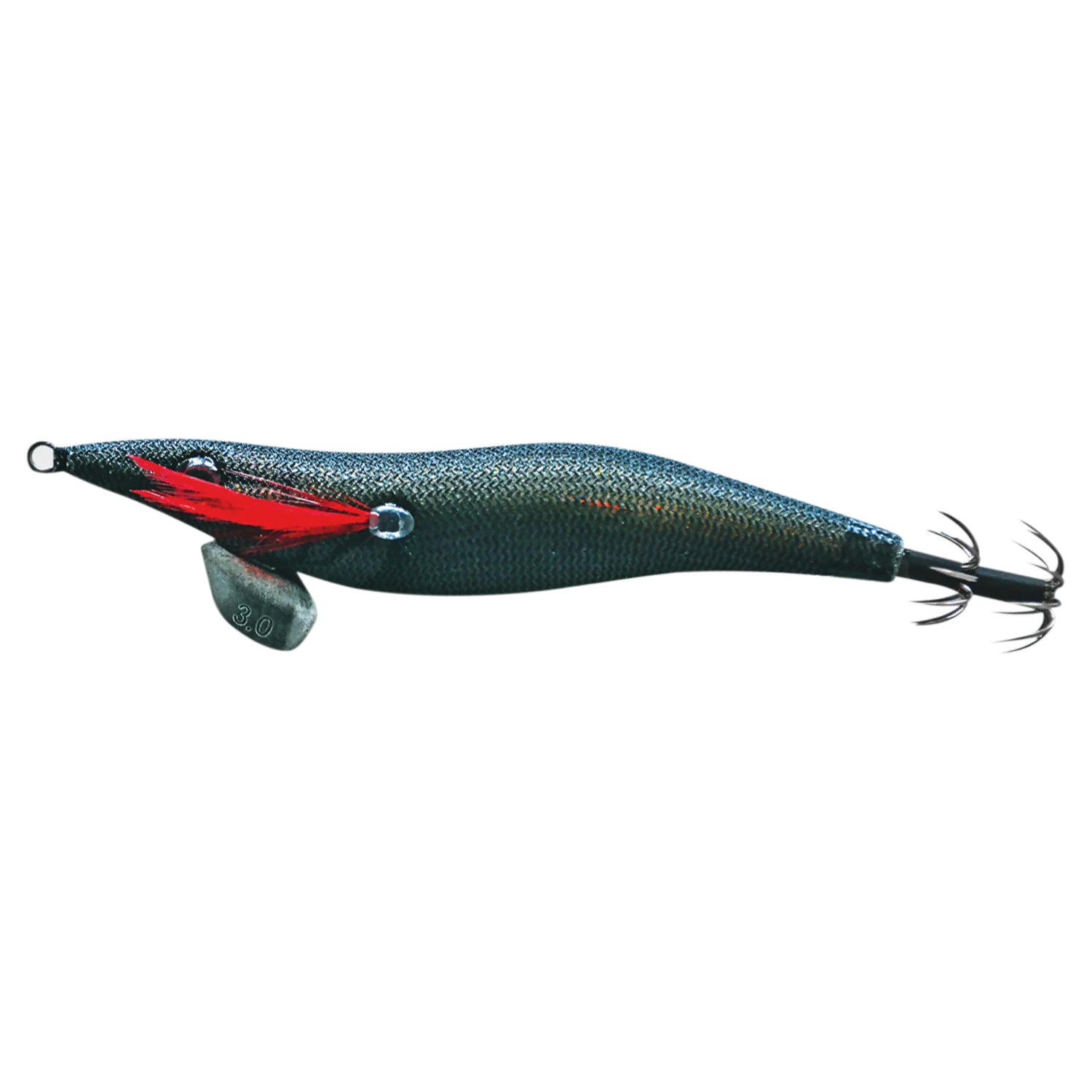
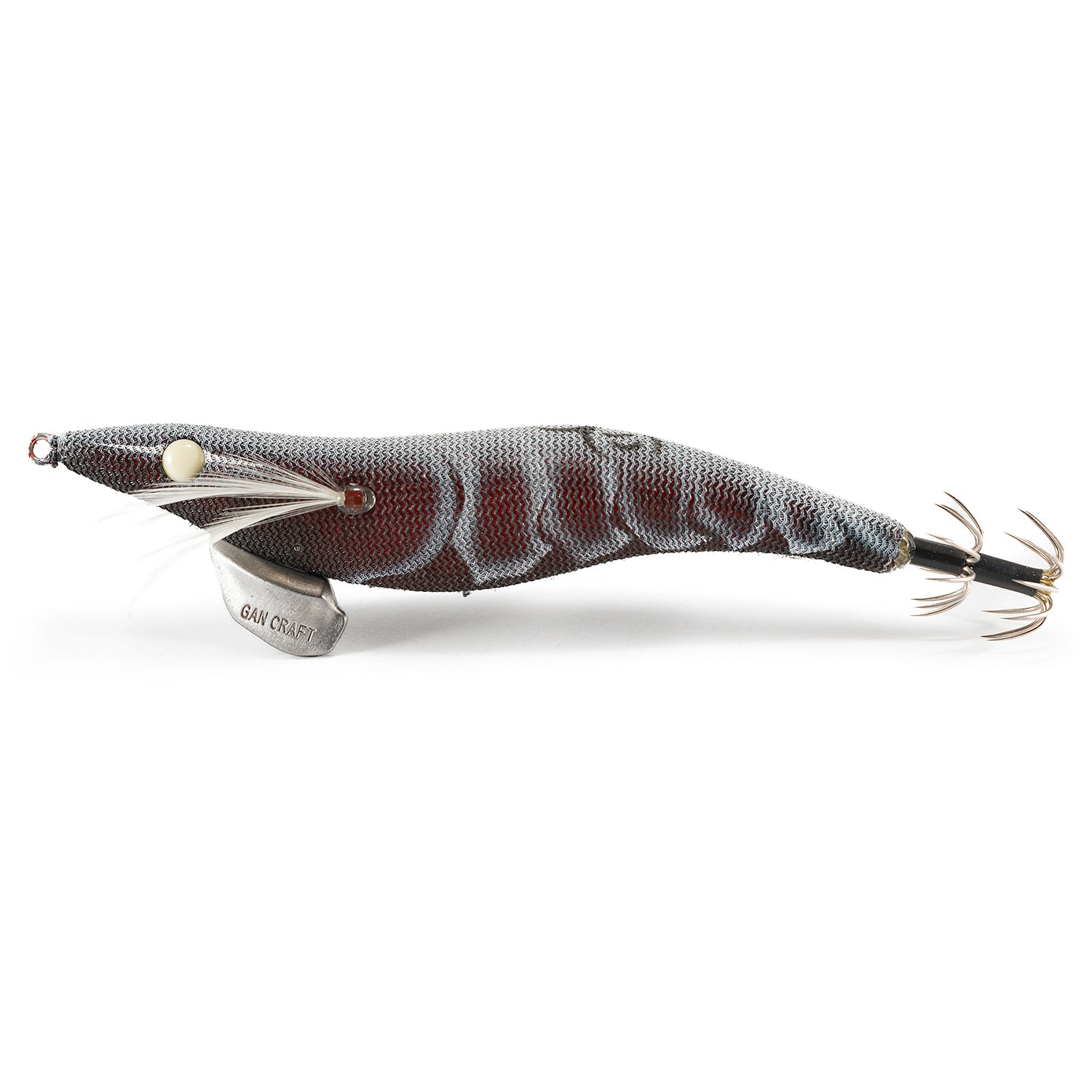
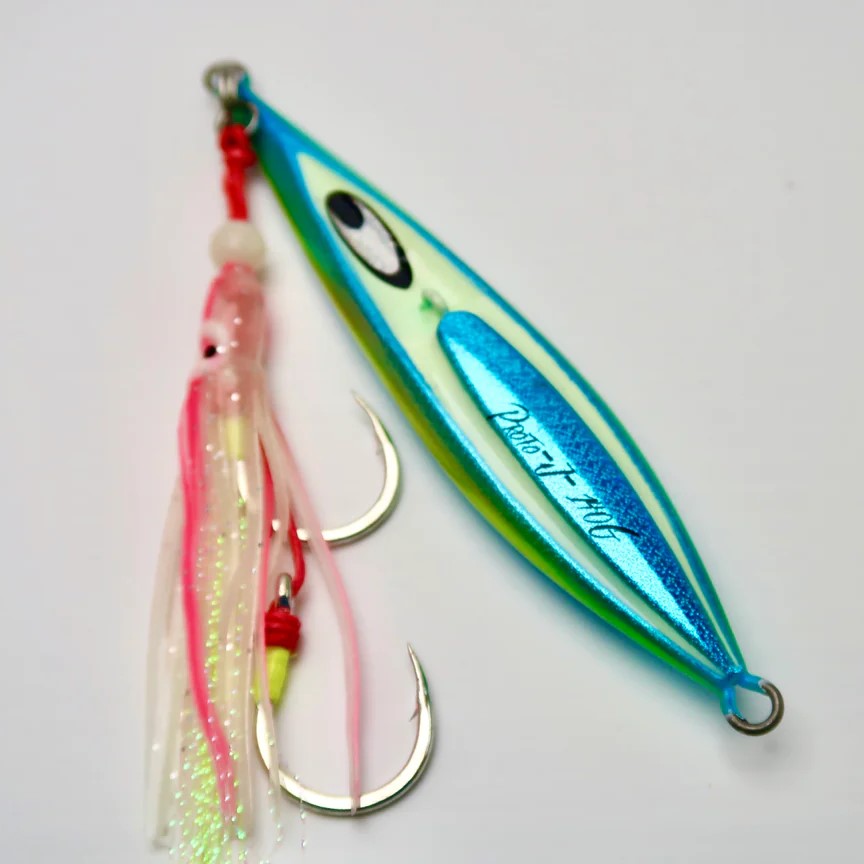
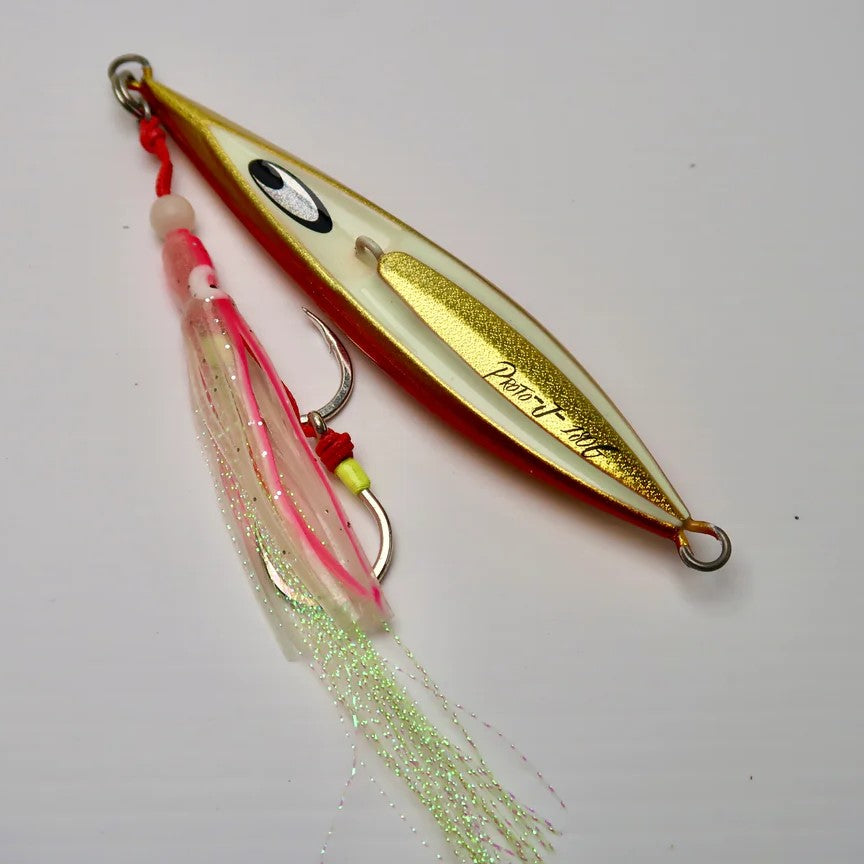
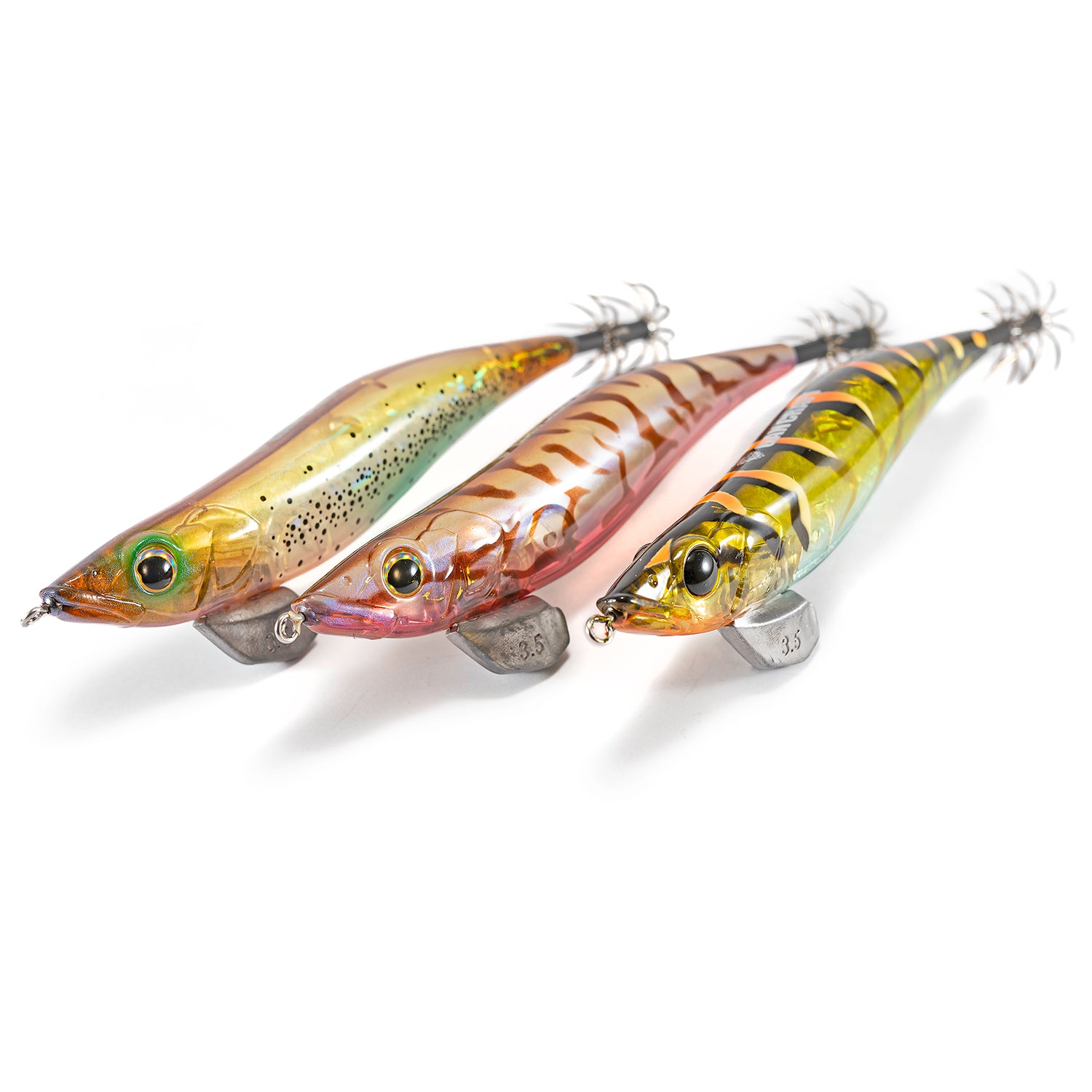
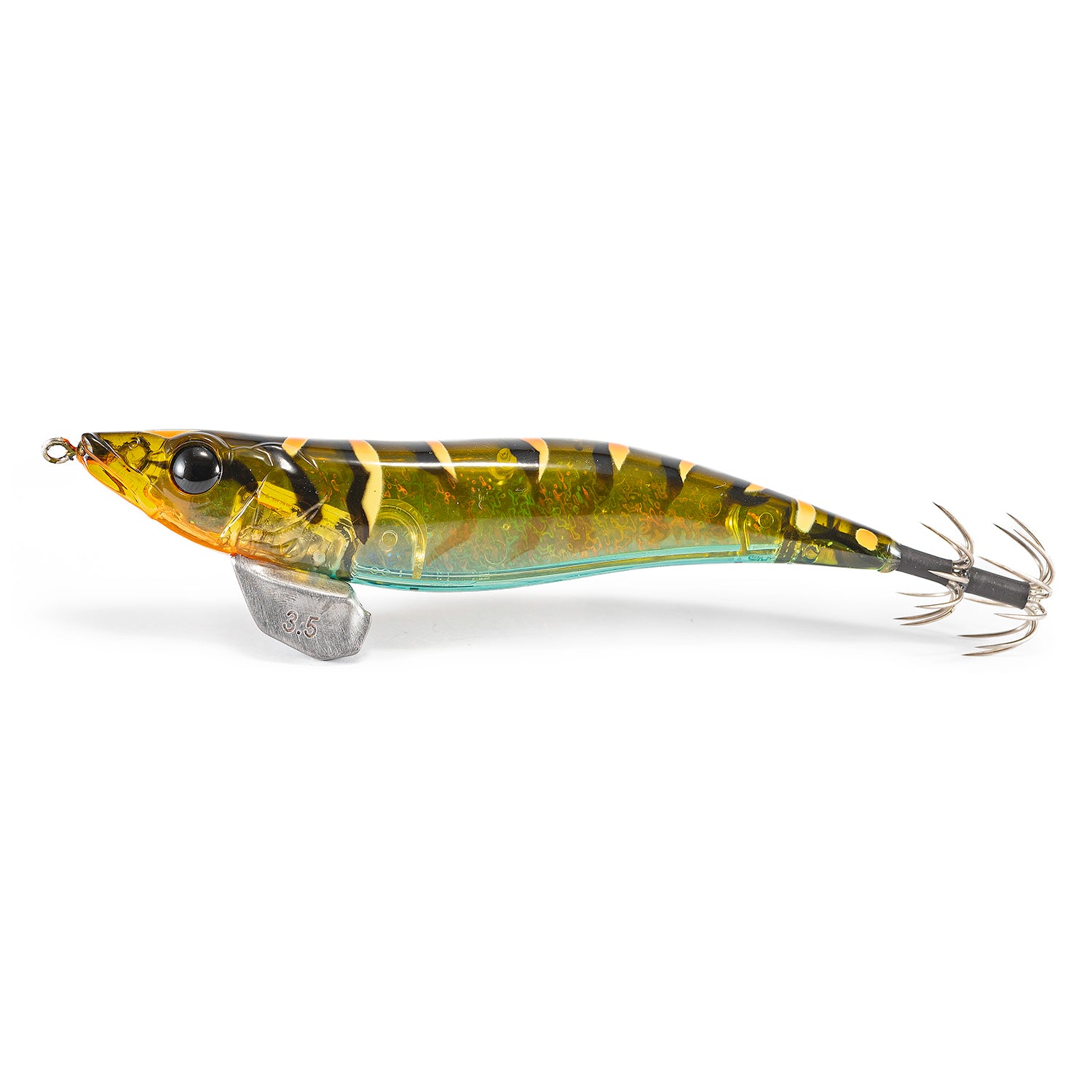
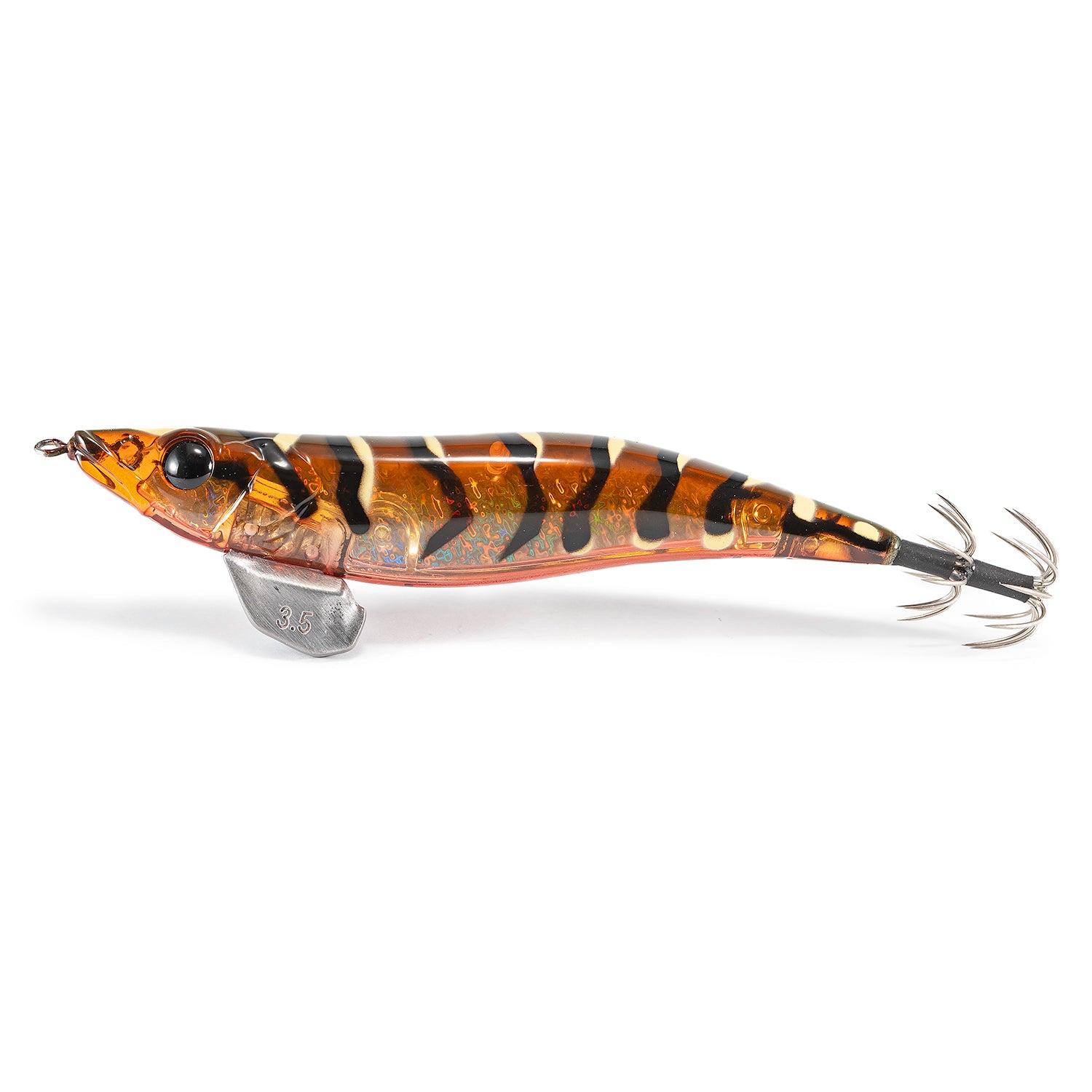
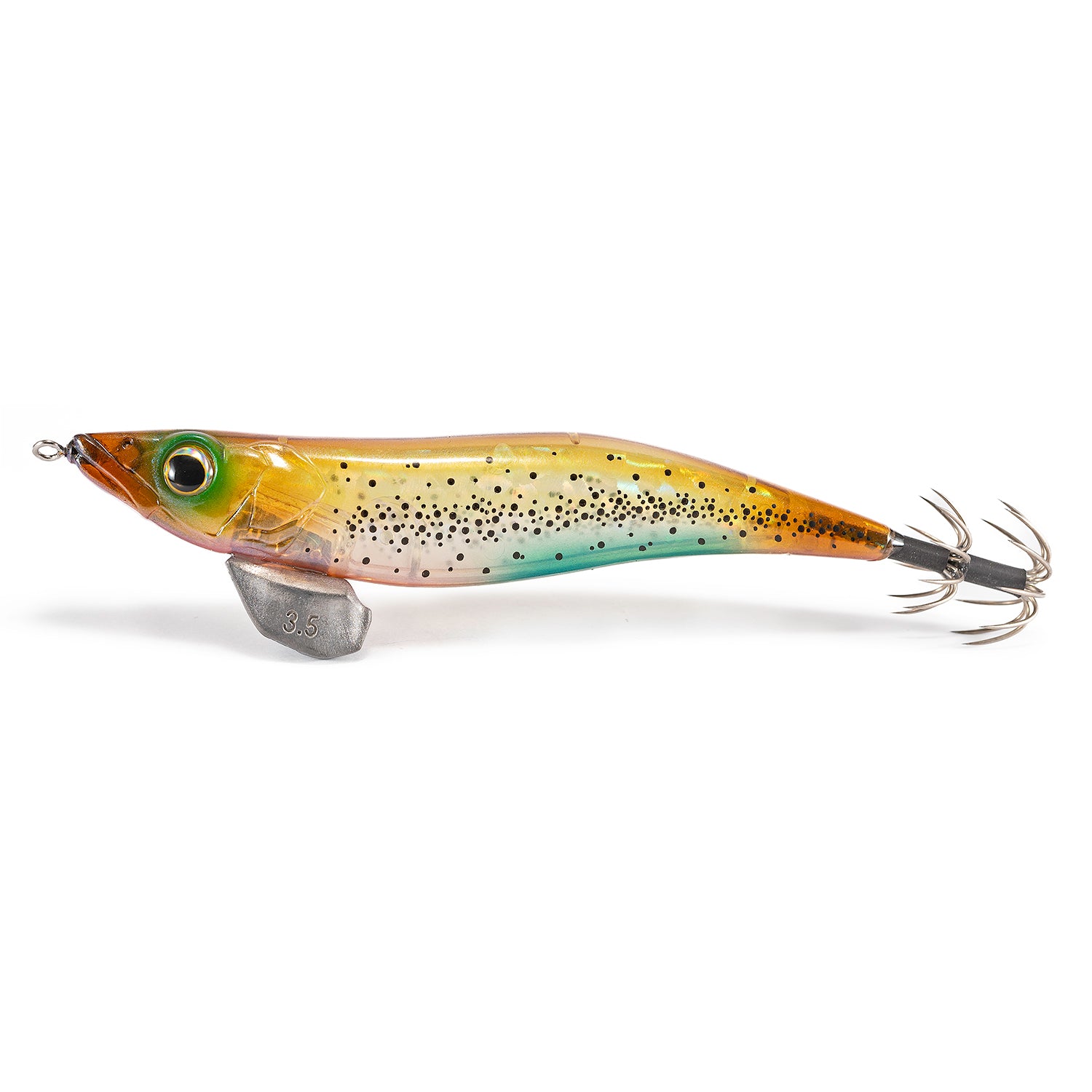
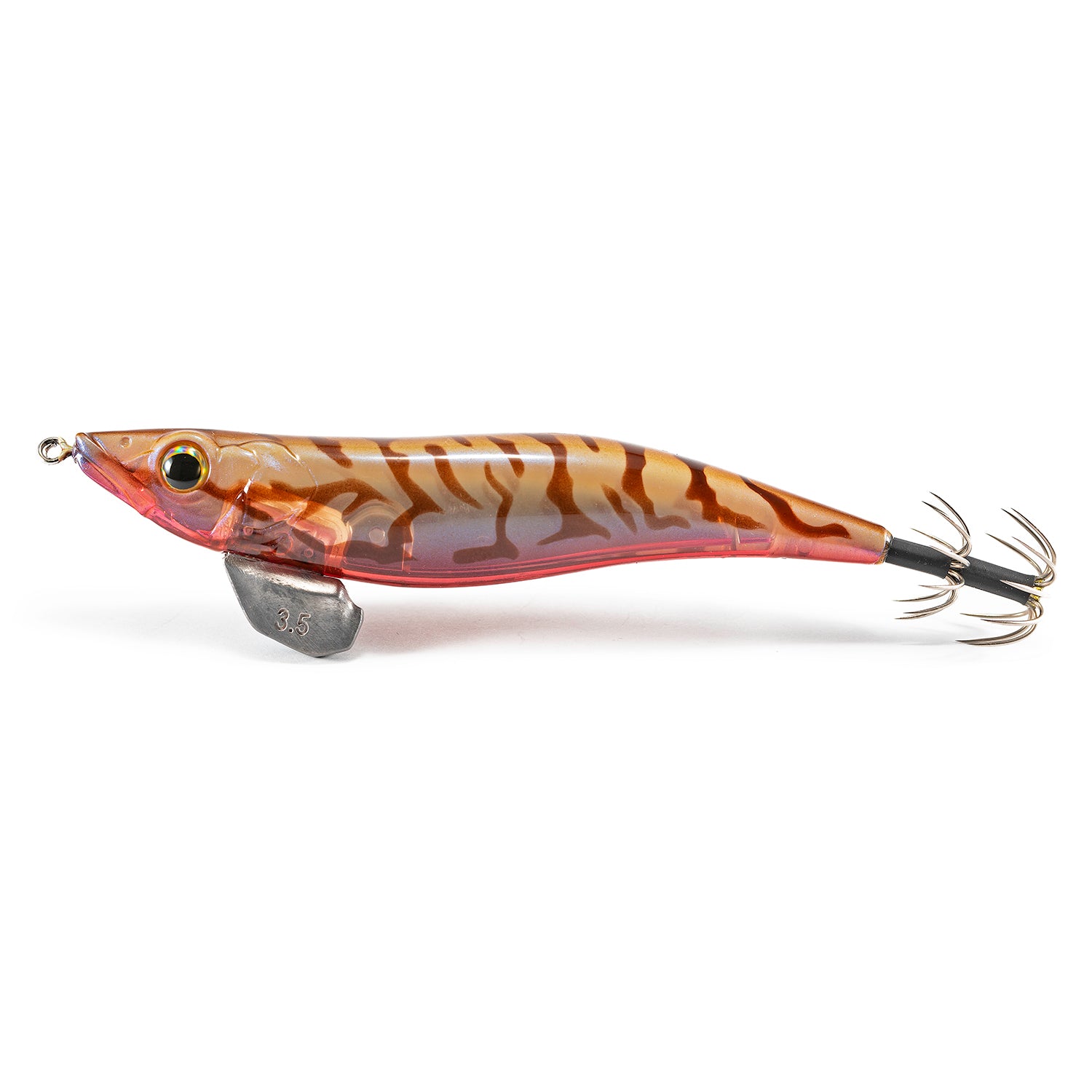
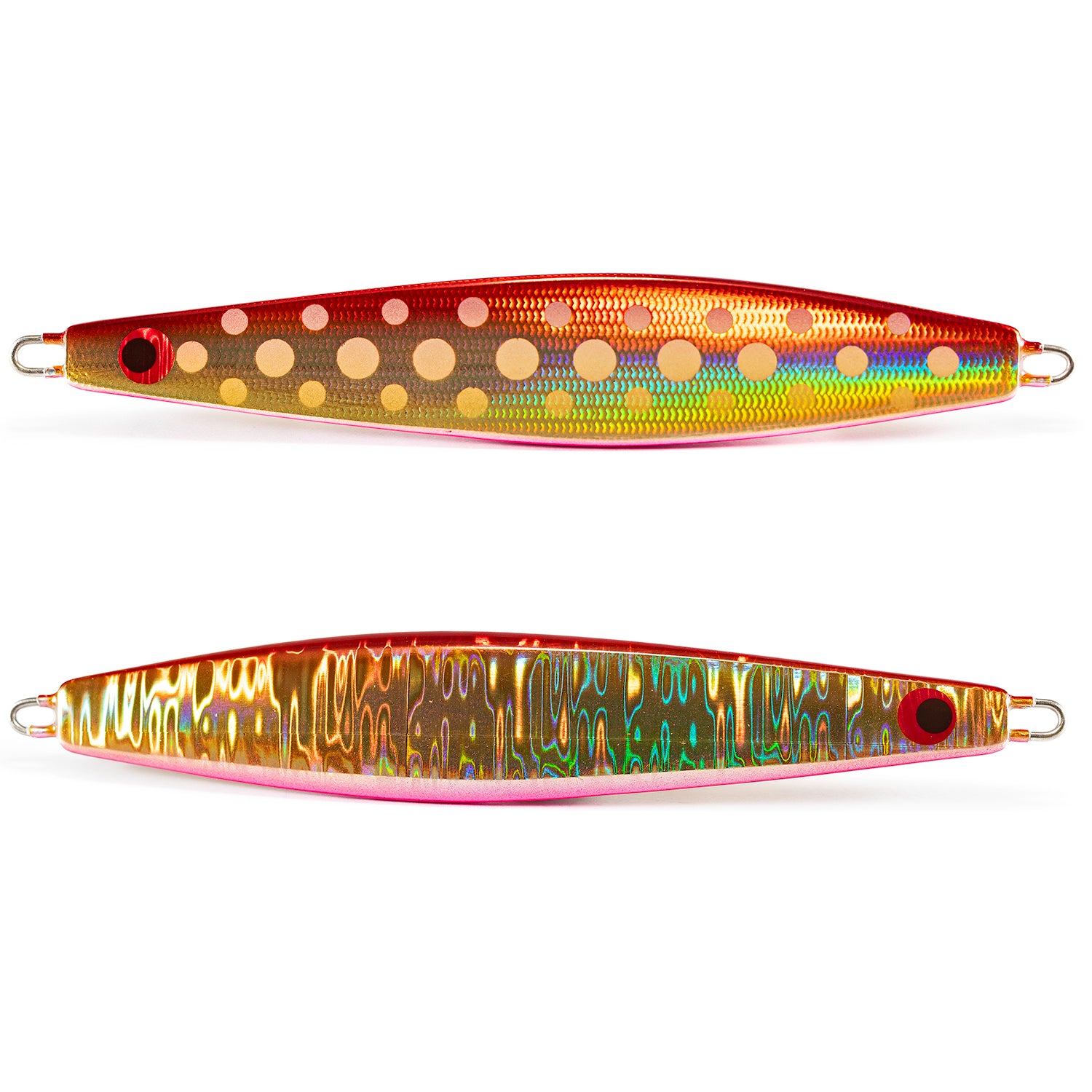
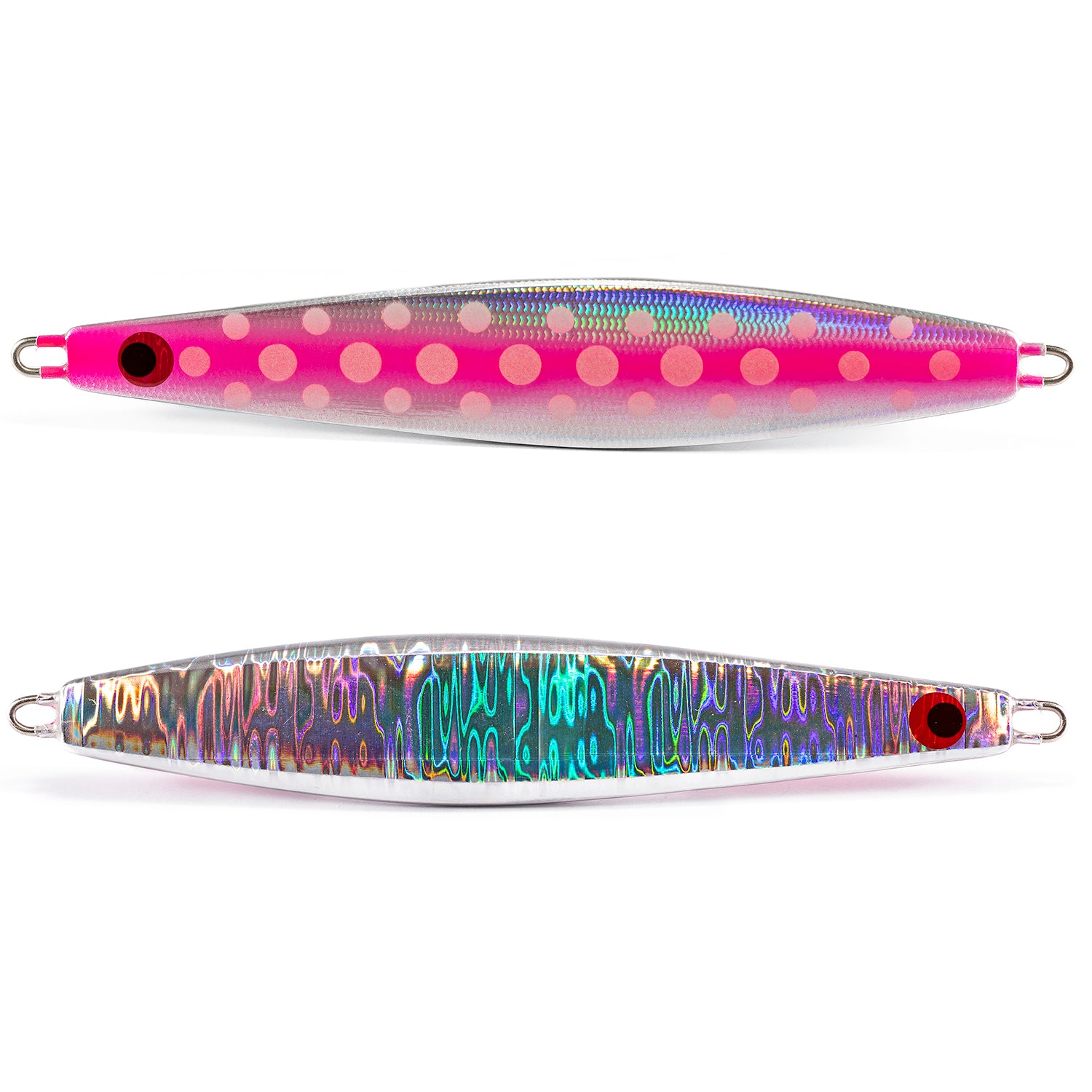
Compleat Angler Nedlands stocks one of the biggest ranges of fishing lures in Australia, with close to 1,000 fishing lures covering everything from tiny estuary hardbodies through to serious GT poppers. Every fishing lure you may need is covered. Halco, Nomad Design, Shimano, Daiwa, Zipbaits, Bassday, Oceans Legacy, Duo, Jackall, Orion, Sea Falcon, Vexed, Cranka and dozens of other fishing lure brands sit on our shelves, alongside exclusive JDM lures and shop exclusive custom colours you won't find anywhere else. Whether you're picking out your first soft plastic, chasing a specific slow pitch jig or rare trophy GT popper our team can point you in the right direction.
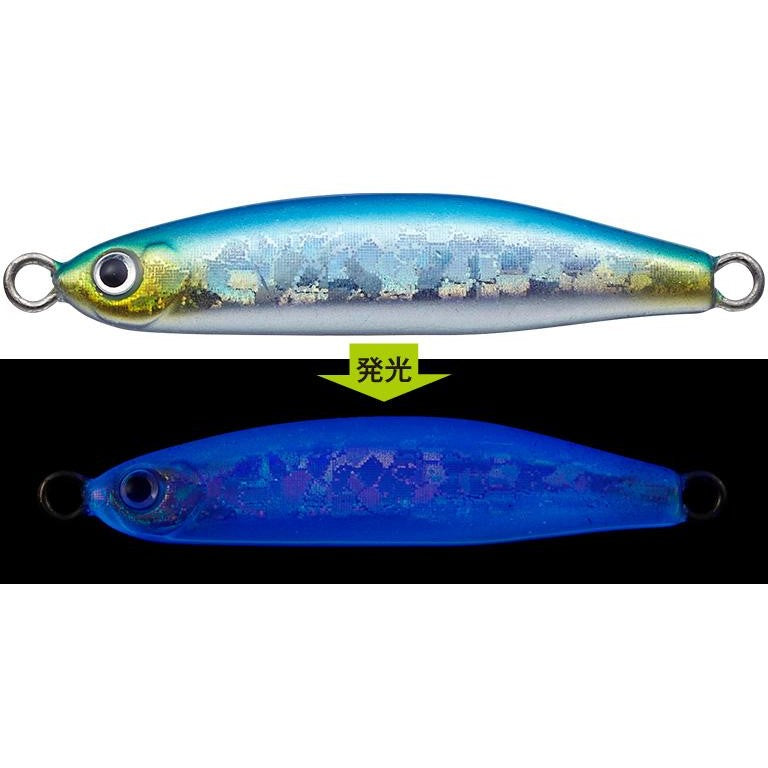
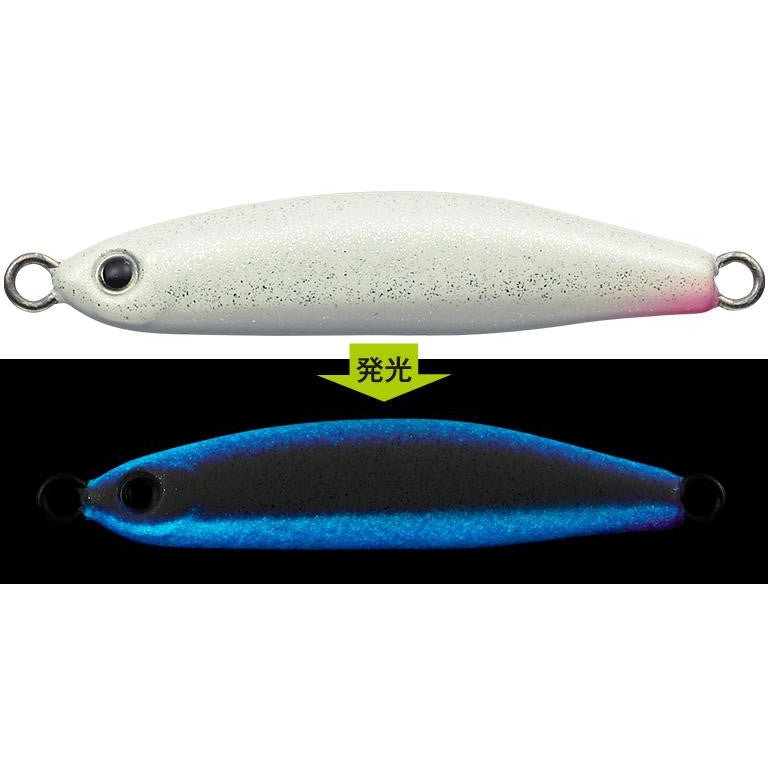
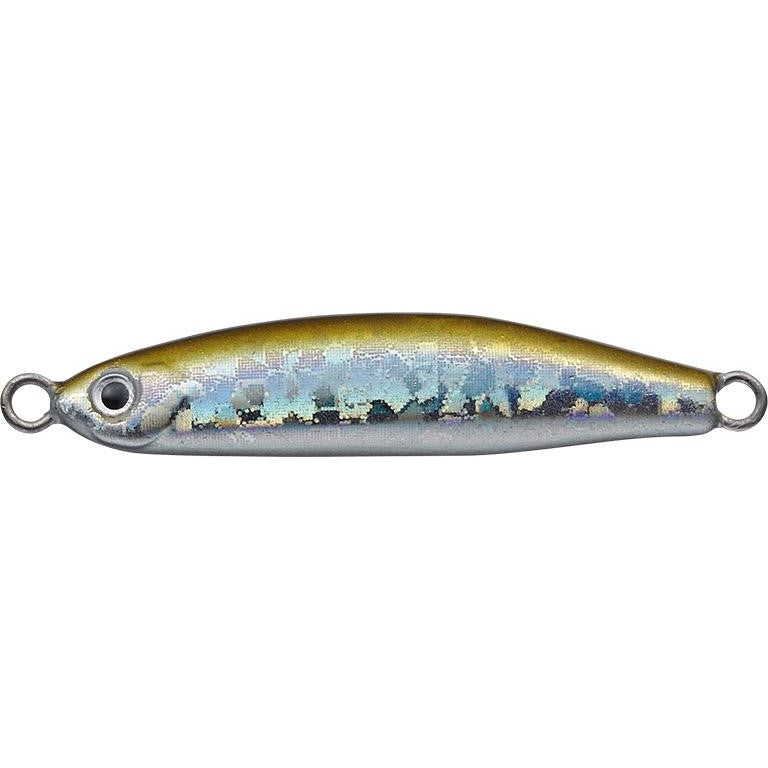


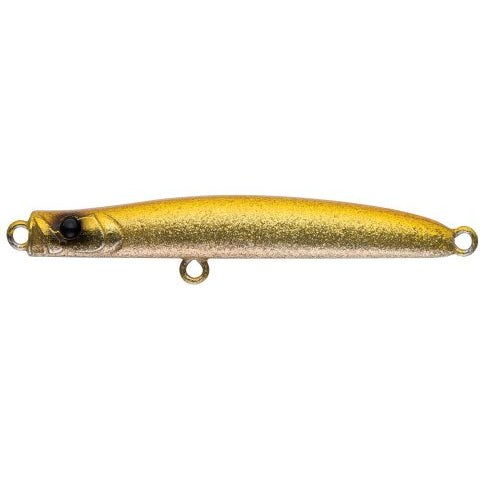
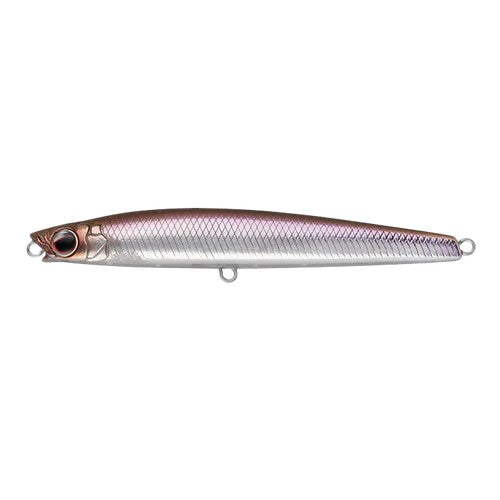
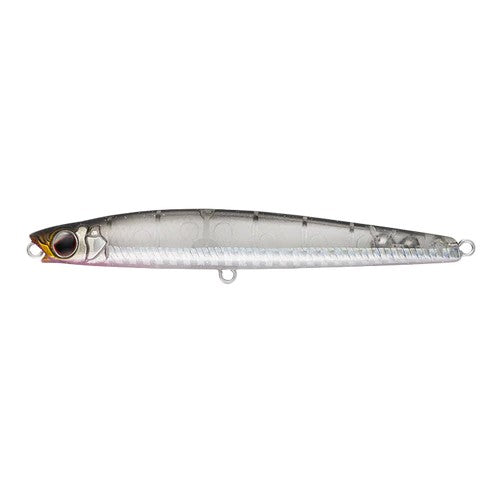
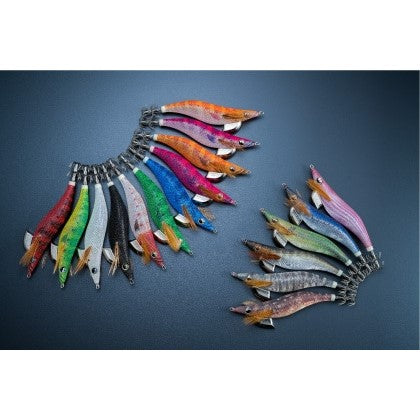
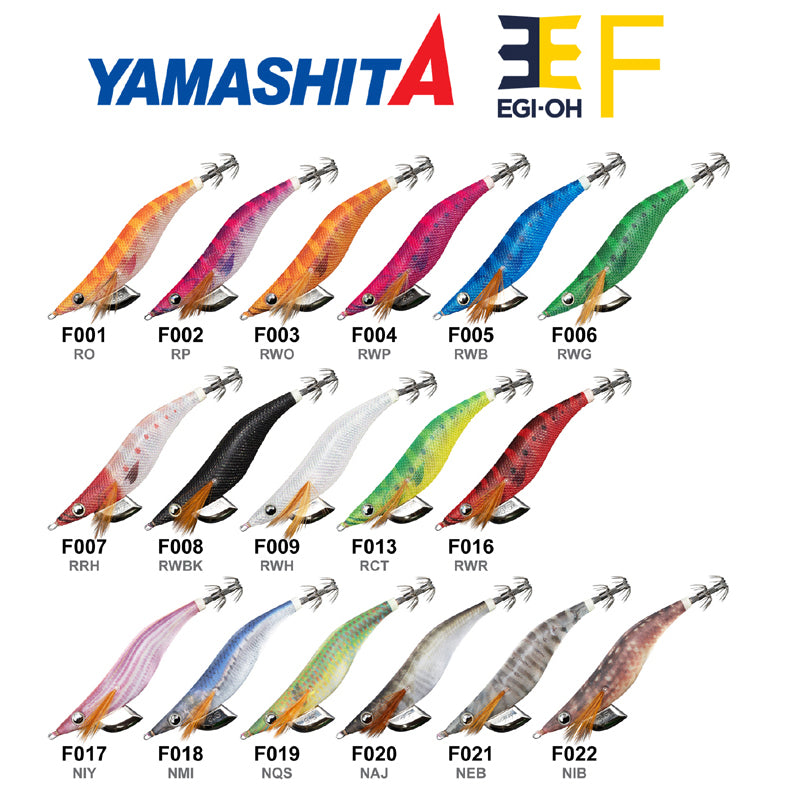
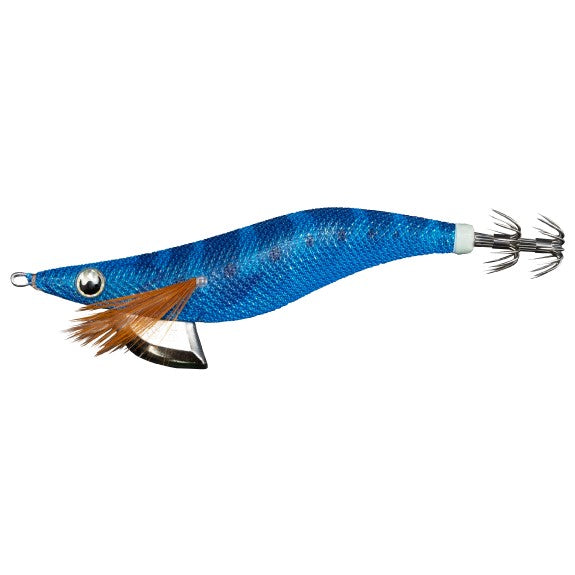
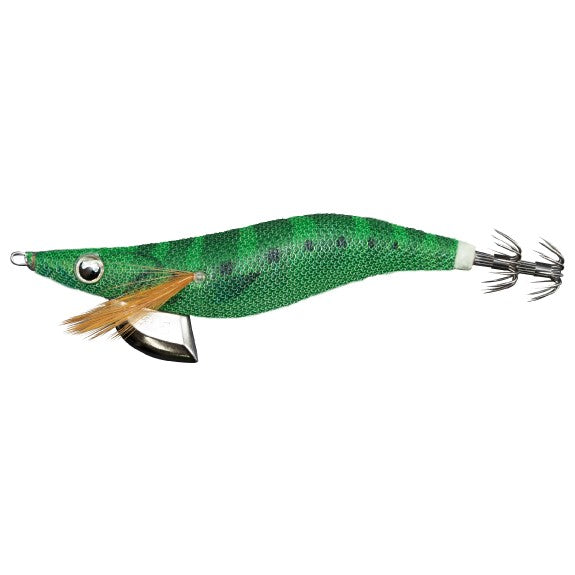
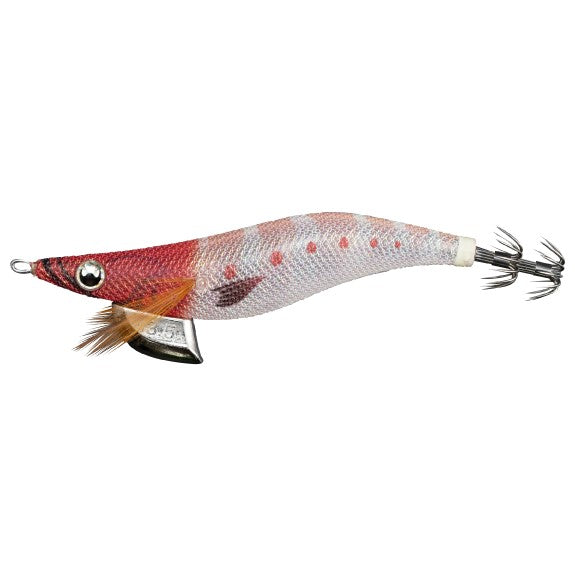
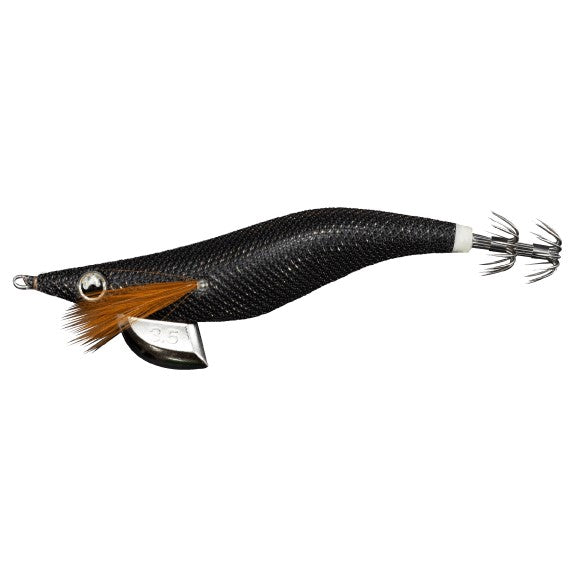
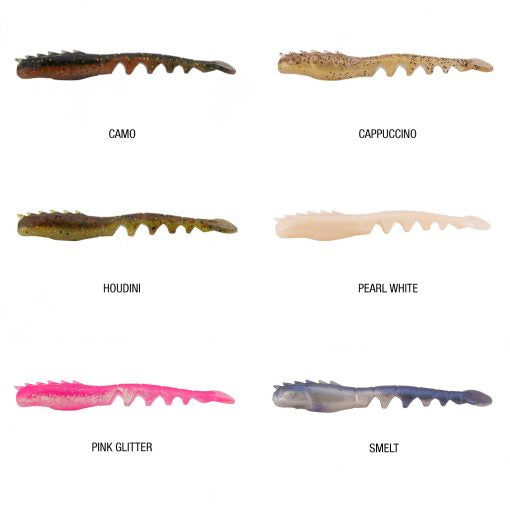
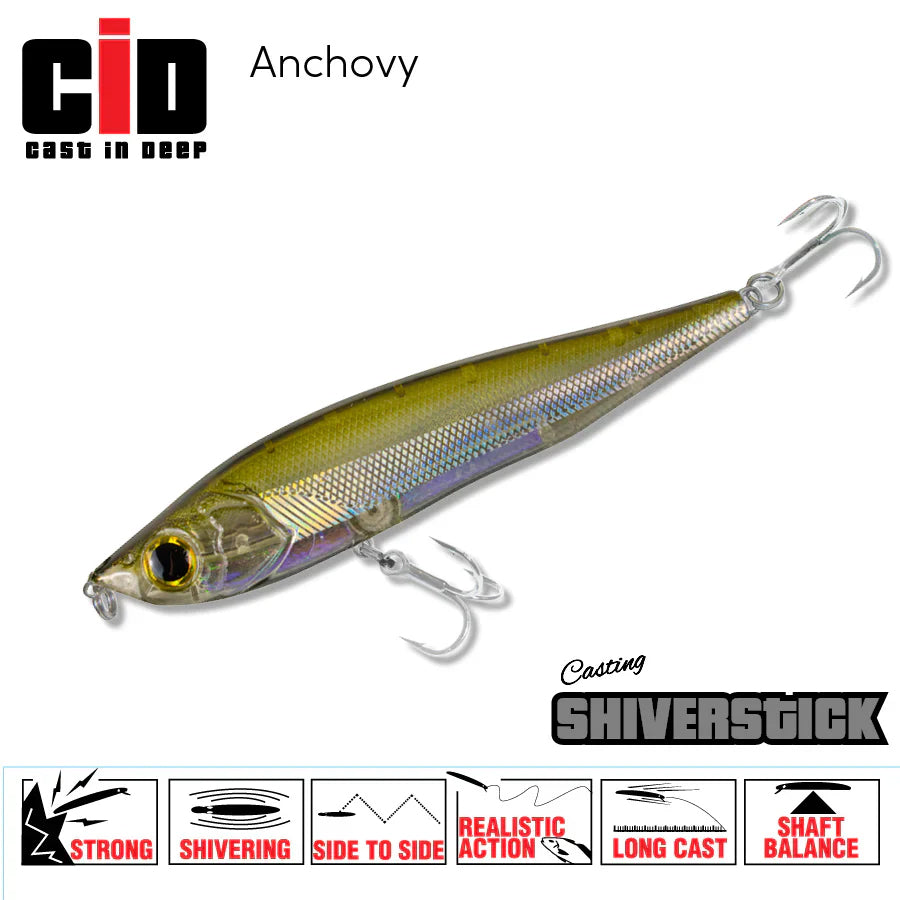


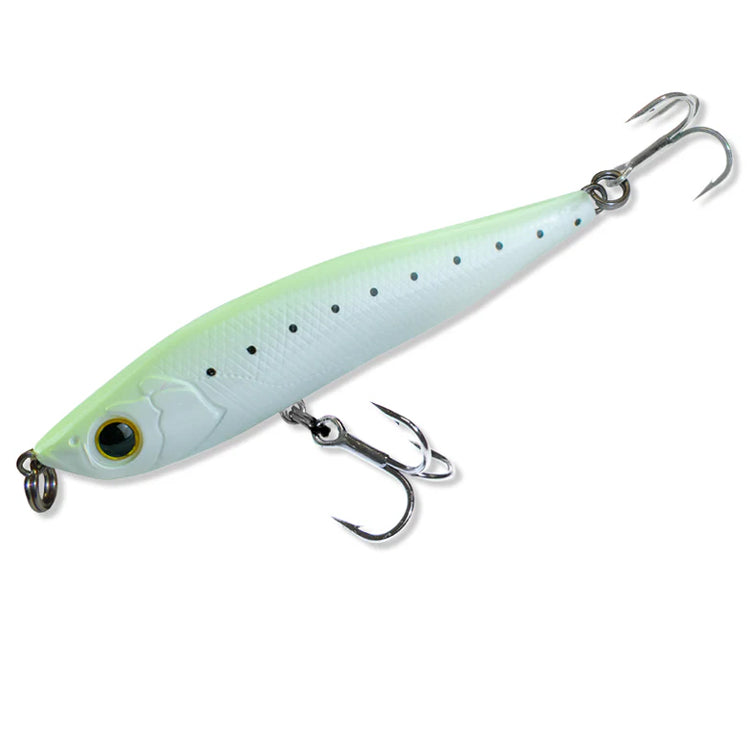
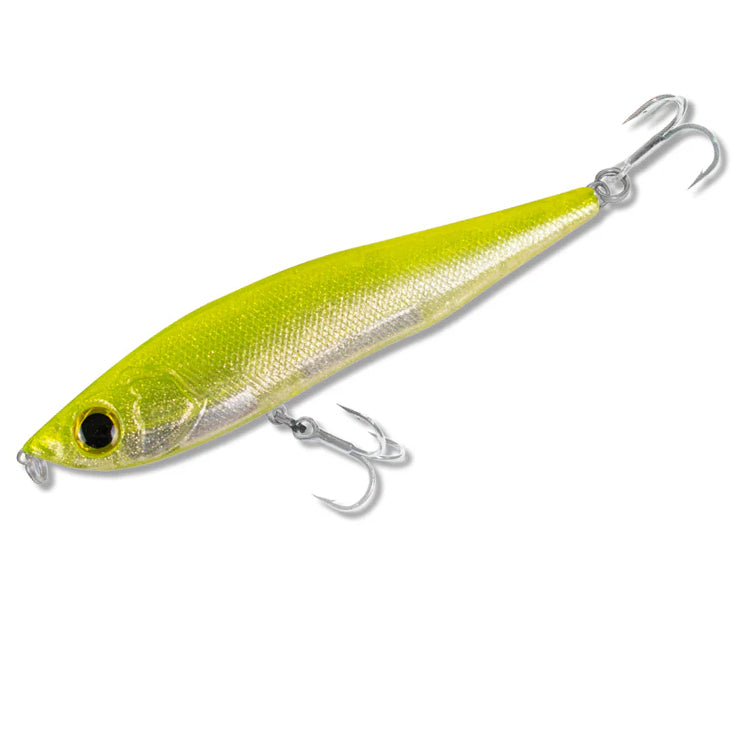
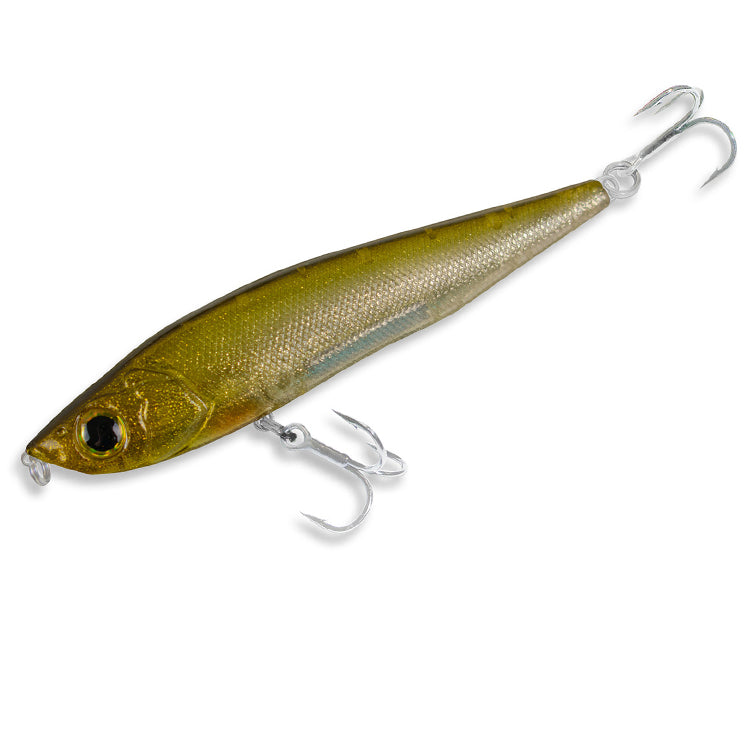
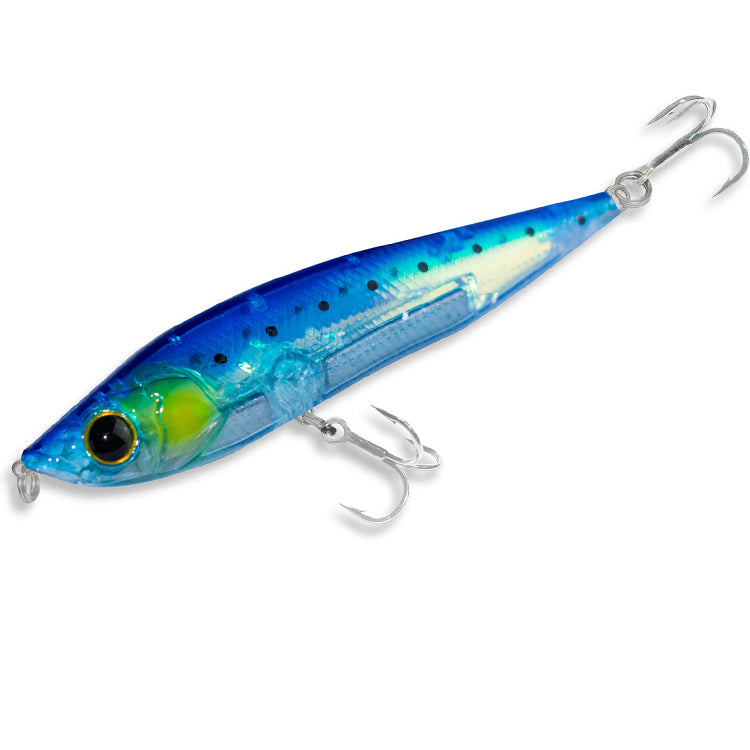
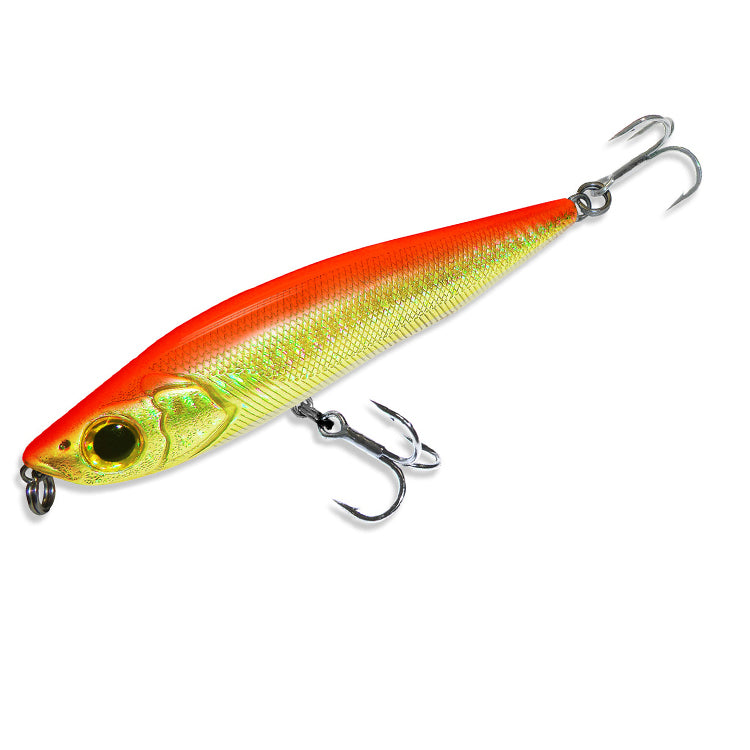
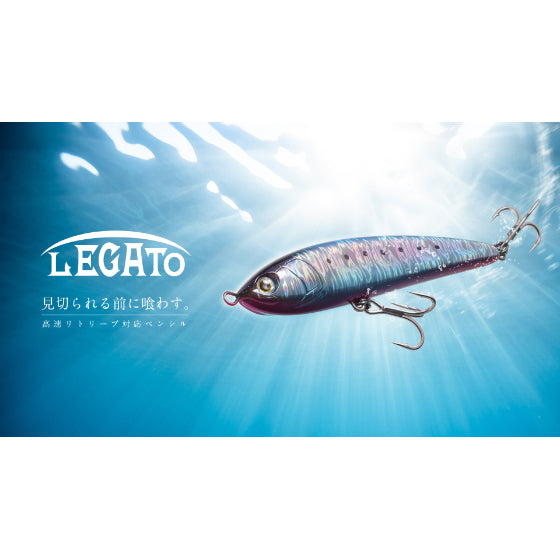









How to Choose the Right Fishing Lure
With well over a thousand lures on the shelves, narrowing it down comes down to three things: what you're targeting, where you're fishing, and what the water's doing on the day. Here's how our team works through it with customers, from someone buying their first lure to someone restocking a tackle box they've built over twenty years.
Matching Lure Type to Target Species and Location
Wherever you're fishing in Australia, this same logic holds. Tell us your target species and the kind of water you're fishing and we'll narrow it down from there.
What Size Lure Should I Start With?
The general rule is to match the hatch, choosing a lure close in size to the natural prey your target species is actually feeding on. Inshore and estuary work generally sits in the 50 to 80mm range, while offshore lures typically run 100 to 250mm to match larger baitfish. If you're not sure, start smaller. A lure that's slightly undersized will still draw strikes from bigger fish, while an oversized lure can be ignored entirely by smaller, more cautious species.
What Colours Actually Work?
Colour choice comes down to water clarity and light more than personal preference. In clear water and bright conditions, natural colours like silver, white and blue or green tend to outfish everything else, since they mimic real baitfish without looking out of place. In dirty water or low light, brighter colours like pink, chartreuse and gold, or darker solid silhouettes, give fish something easier to track and react to. The safest approach for any serious tackle box is to carry a mix of both and adjust based on conditions on the day, rather than backing one colour every time out.
Understanding Lure Weight and Sink Rate
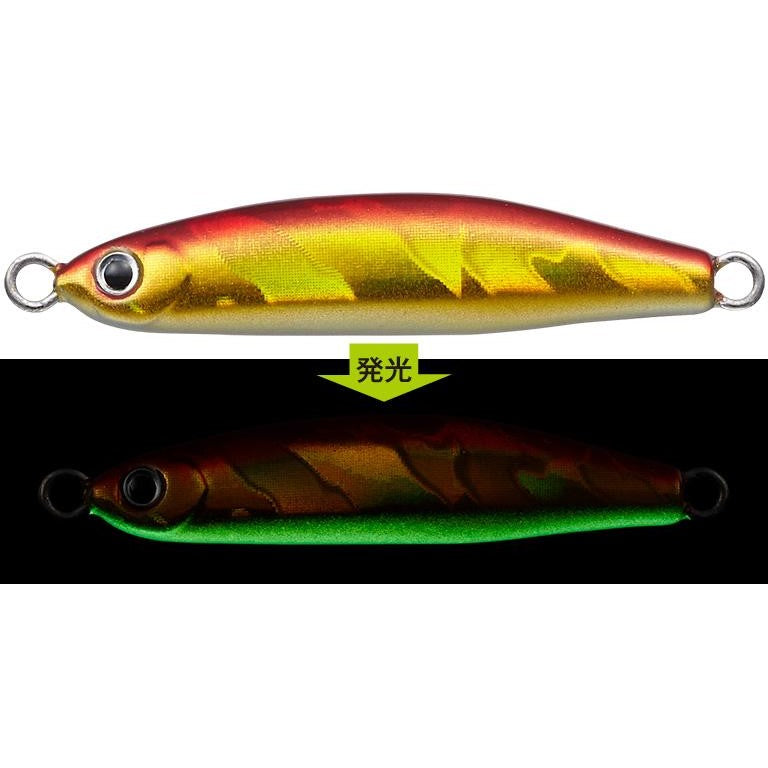
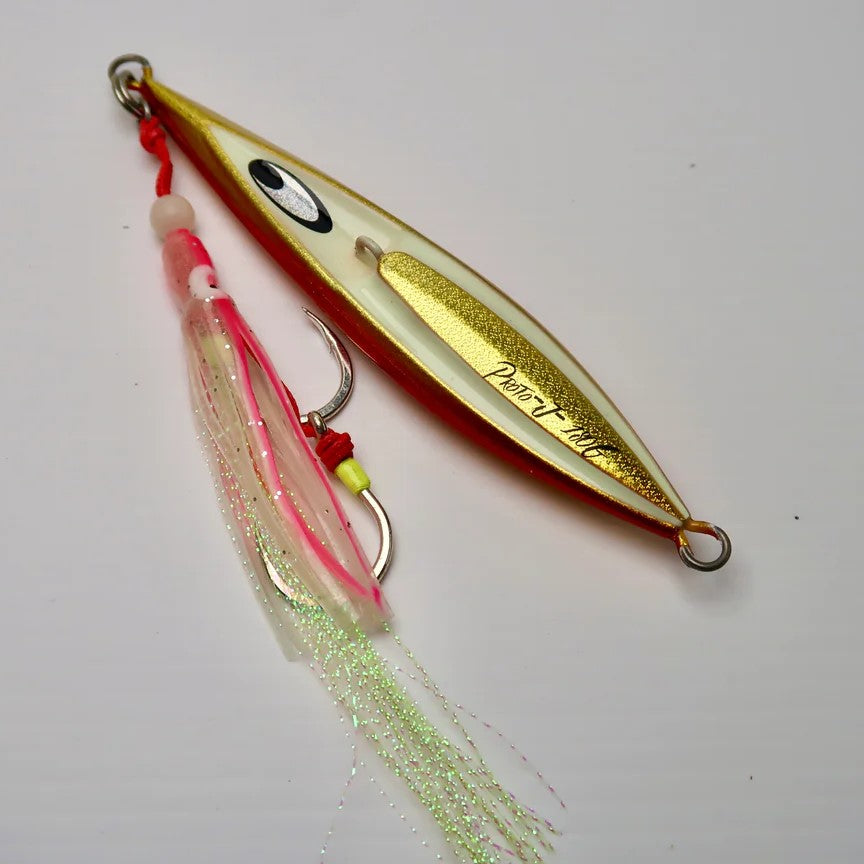
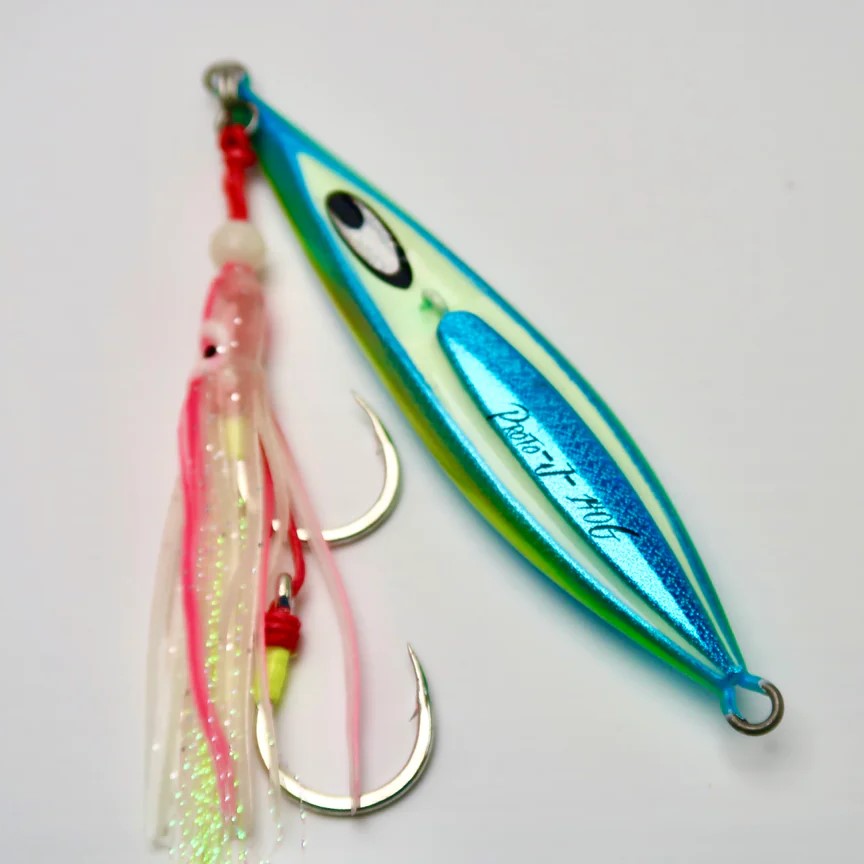
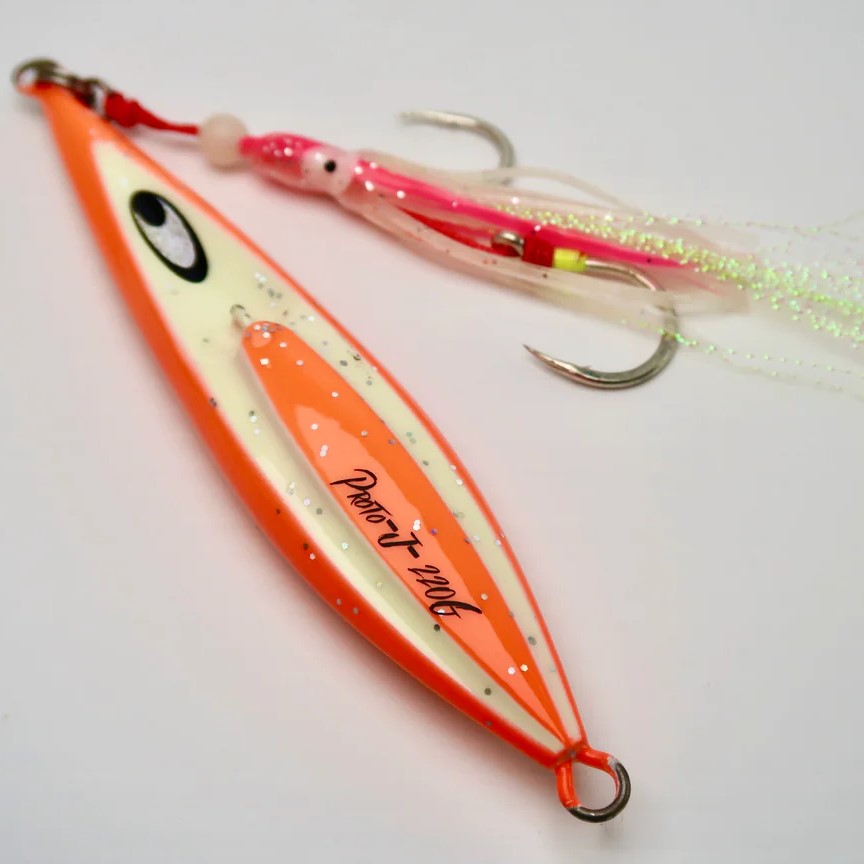
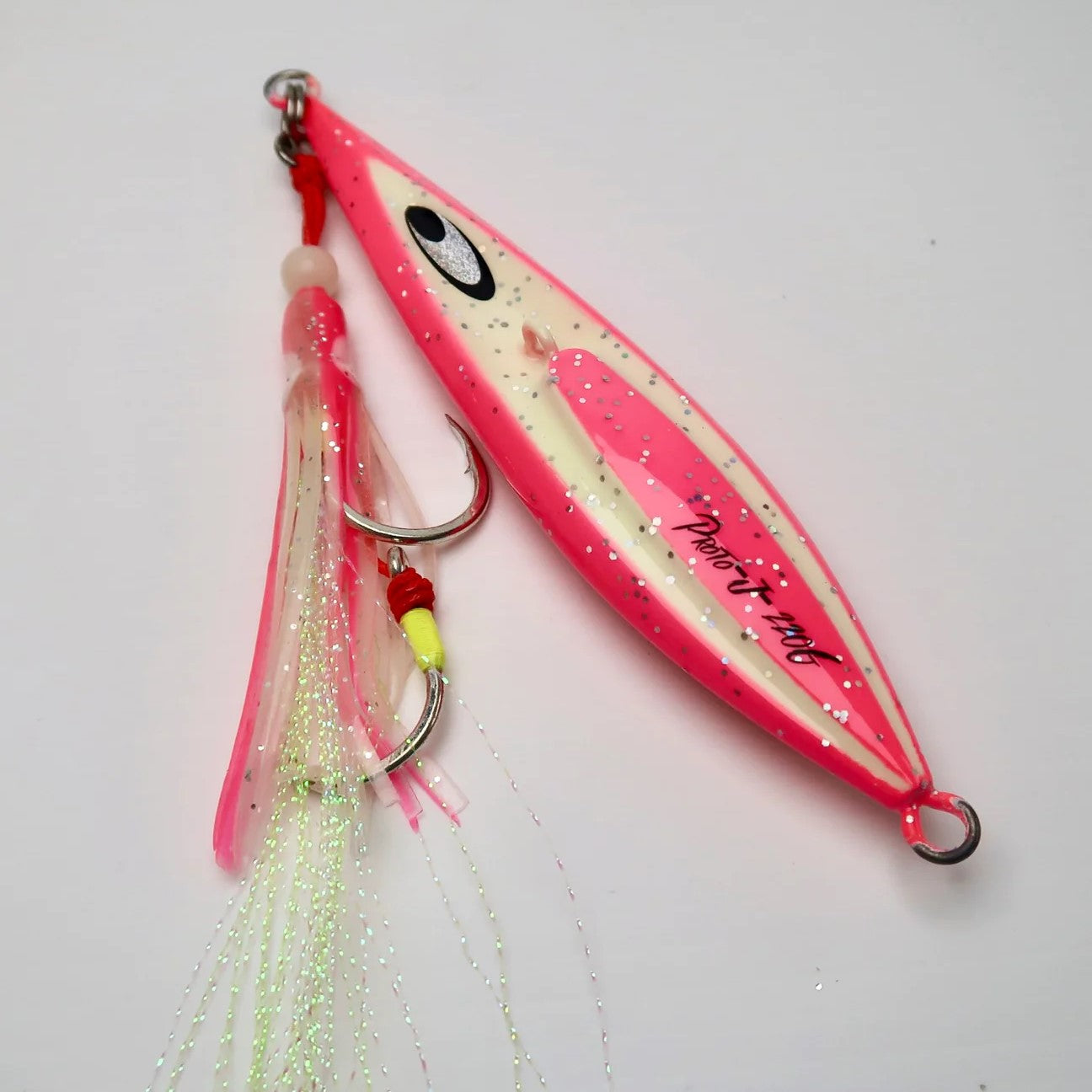
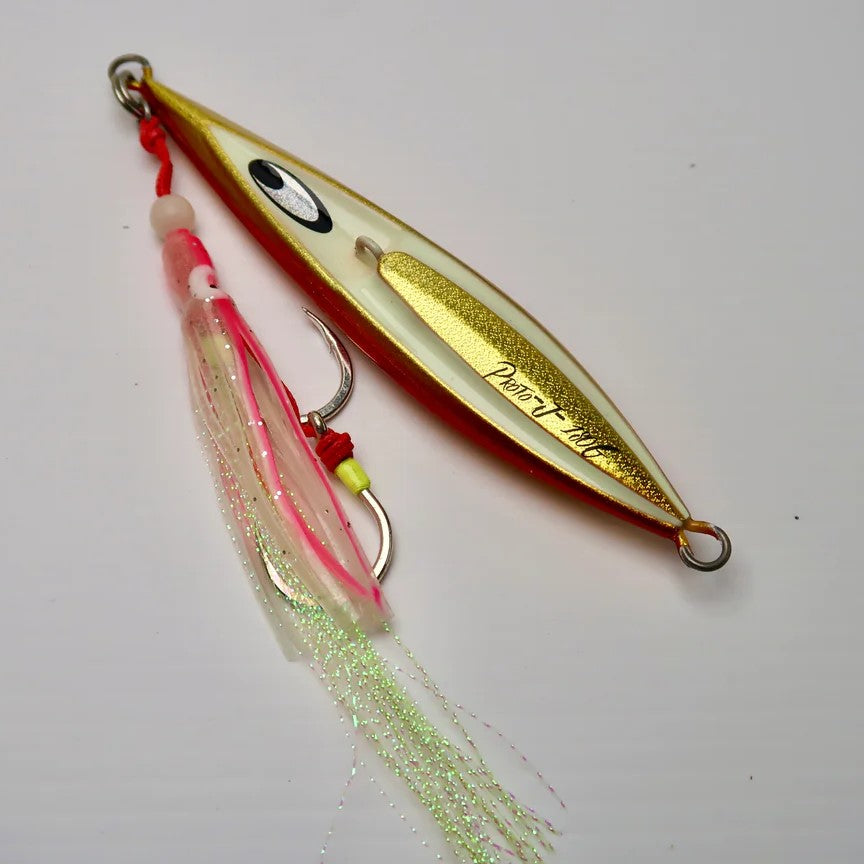
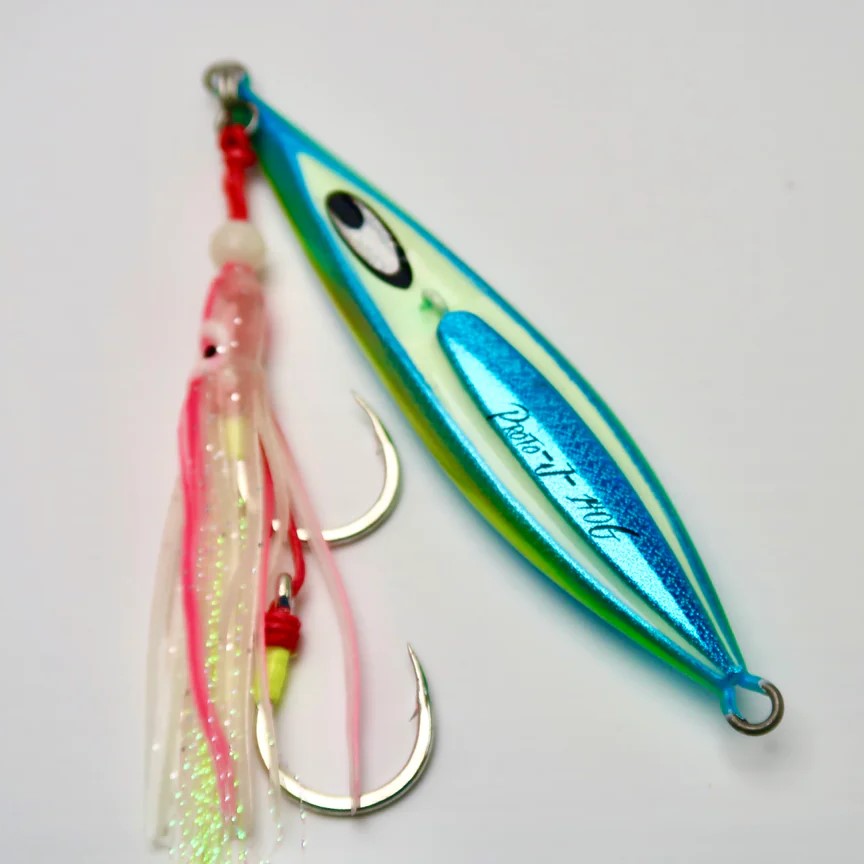
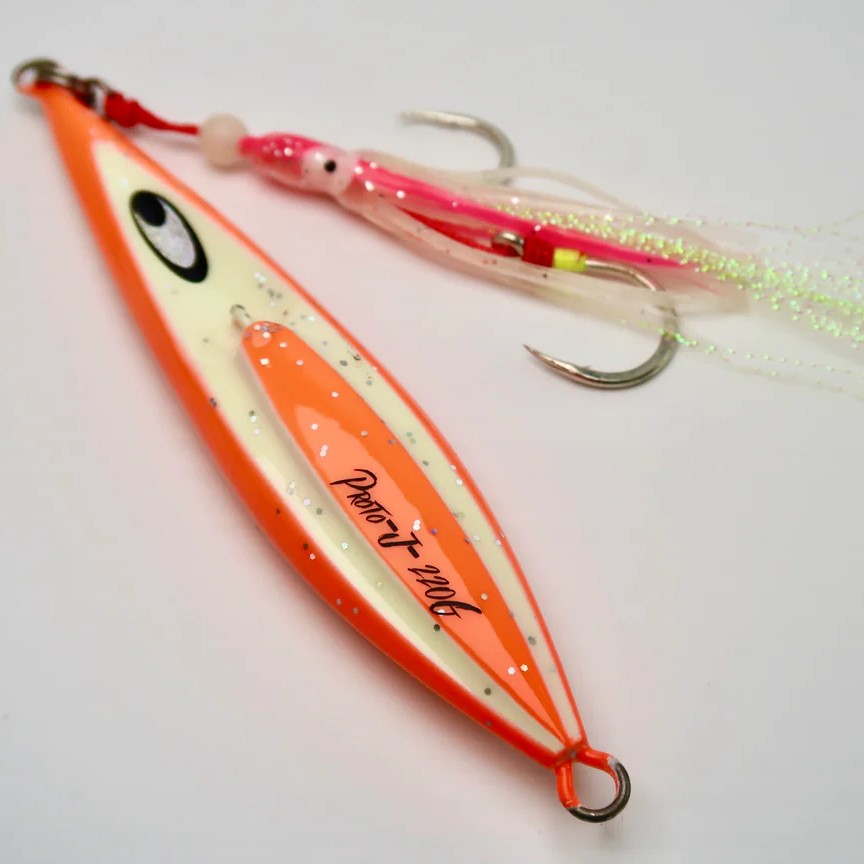
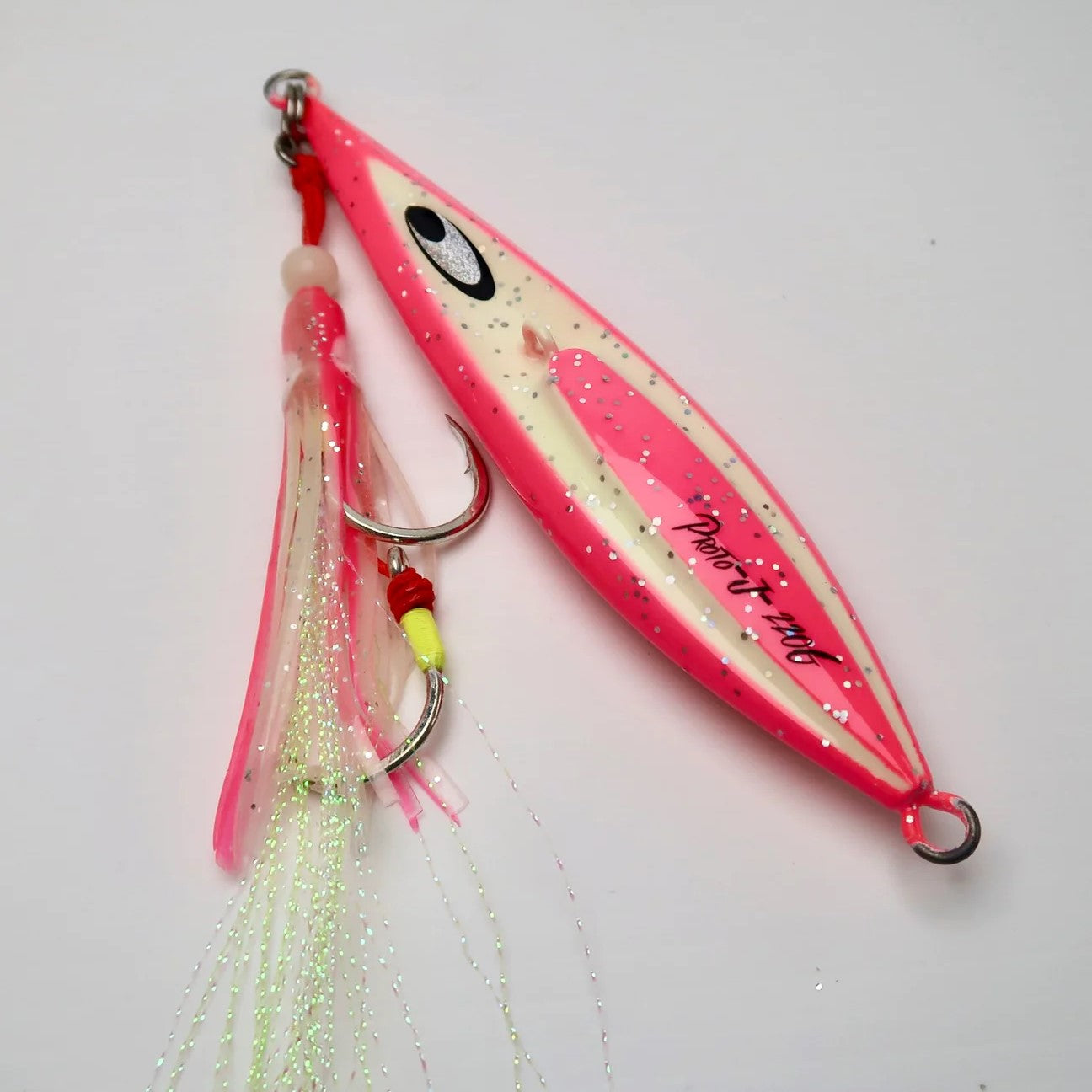
For jigs, vibes and soft plastics, weight determines how fast a lure sinks and how it behaves on retrieve, which matters as much as size or colour. Lighter lures in the 3 to 10g range suit shallow estuary and skinny water work, where a slow fall keeps the lure in the strike zone longer. Heavier sinking lures from 20g up through 100g plus are built for deeper water and stronger current, getting the lure down to structure before it drifts off target. Matching weight to depth and current is often what separates a lure that gets ignored from one that gets smashed.
Retrieve Technique Basics
Different lure types are built to be worked differently, and getting the retrieve right matters as much as picking the right lure in the first place. Hardbodies and soft plastics generally reward a steady, natural retrieve with occasional pauses to trigger a reaction strike. Poppers and stickbaits need an aggressive, rhythmic action, walk the dog for stickbaits, sharp pops for poppers, to create the surface commotion that draws fish up from below. Jigs are typically worked with a lift and drop action near the bottom, mimicking an injured baitfish. If a lure isn't producing, changing the retrieve is often a bigger factor than changing the lure itself.
One of Australia's Biggest Fishing Lure Ranges
With over a 1000 lures across more than 100 brands, we carry the depth of range that lets serious anglers actually find what they're after.
Why Our Customers Buy Their Lures From Us
Genuine Range, Not Just the Usual Names
Halco, Nomad Design, Shimano, Daiwa, Zipbaits, Oceans Legacy and dozens of specialist brands.
Exclusive Custom Colours
We carry exclusive Halco finishes like Chrome Candy and Midnight Fish, developed specifically for Compleat Angler Nedlands and not available anywhere else.
Advice From Anglers, Not Salespeople
Our team fishes these lures across the country and can talk you through size, colour and retrieve technique for your exact target species.
Right For Beginners and Experts Alike
Buying your first soft plastic or restocking a box you've built over decades, either way we'll get you sorted with the right lure the first time.
Want Help Picking the Right Lure?
Choosing the right fishing lure comes down to size, weight, colour and action, and it's much easier to get right with expert advice. If you're near Nedlands, come in and tell us what you're chasing, we'll walk the wall with you. Ordering from elsewhere in the country, tell us your target species and where you're fishing and we'll point you to the right lures.
- Address
- 154 Stirling Hwy
Nedlands WA 6009 - Contact
- (08) 9389 1337
- Opening Hours
- Monday – Friday: 8:30am – 5:30pm
Saturday: 8:30am – 5:00pm
Sunday: 9:00am – 4:00pm
Frequently Asked Questions About Fishing Lures
What lures work best for my target species?
It depends entirely on what you're chasing. Estuary bream and whiting respond well to small hardbodies and soft plastics. Beach tailor and salmon take metal lures and diving minnows well. Offshore casting for kingfish or GT calls for stickbaits and poppers. Bottom and structure fishing suits jigs and micro jigs. Tell us your target species and we'll narrow it down.
Do you stock exclusive Halco colours?
Yes. We carry exclusive custom Halco finishes including Chrome Candy and Midnight Fish, developed specifically for us and not available anywhere else. They're popular with anglers right across the country, not just locally.
What size lure should I start with?
Match the hatch, choosing a lure close in size to the natural prey your target species feeds on. Inshore and estuary work generally sits around 50 to 80mm, offshore around 100 to 250mm. When in doubt, start smaller rather than bigger.
What colours work best?
In clear water and bright conditions, natural colours like silver, white and blue or green tend to perform best. In dirty water or low light, brighter colours like pink, chartreuse and gold, or dark solid silhouettes, give fish an easier target to track. Carry a mix and adjust based on the conditions you're actually fishing.
What is the best way to buy fishing lures online?
The best way to buy fishing lures online is to choose them based on your target species, the type of water you're fishing and the conditions you'll be fishing in, rather than simply buying what's popular. If you're unsure, our team can help you choose the right hardbody lures, soft plastics, jigs or surface lures so you get gear that's matched to your fishing, not just your cart.
How do I know what weight jig or vibe to use?
Weight controls sink rate. Lighter lures, roughly 3 to 10g, suit shallow water where you want a slow fall through the strike zone. Heavier lures, 20g and up through 200g plus, get down fast in deeper water or stronger current. Match the weight to the depth and current you're actually fishing, not just what's in your tackle box already.
My lure isn't getting any strikes, what should I try first?
Before switching lures entirely, try changing your retrieve. A steady retrieve that isn't working might need pauses added to trigger a reaction strike, or a faster, more erratic action to imitate a fleeing baitfish. Retrieve technique is often the difference between a lure that gets ignored and one that gets smashed, more so than the lure itself.